


?Have we found a quick, affordable way to repair or reconfigure fridge and freezer shelving without calling a technician?


Product overview: 10pcs Plastic Snap Hook Shelf Clips Refrigerator Freezer Shelf Fixing Clips Divider for Shelving Fridge and Freezer Parts
We think this 10-pack of plastic snap hook shelf clips offers a straightforward solution for common shelving issues in refrigerators and freezers. These clips are designed as replacement parts or accessories to secure glass or plastic shelves and to act as dividers for shelving grids.
What the product is and who it’s for
We see these clips as useful for homeowners, renters, landlords, and light-commercial users who need a quick fix for broken or missing refrigerator shelf supports. They’re particularly handy for anyone who wants to save on service calls and perform a small repair themselves.
Materials and basic construction
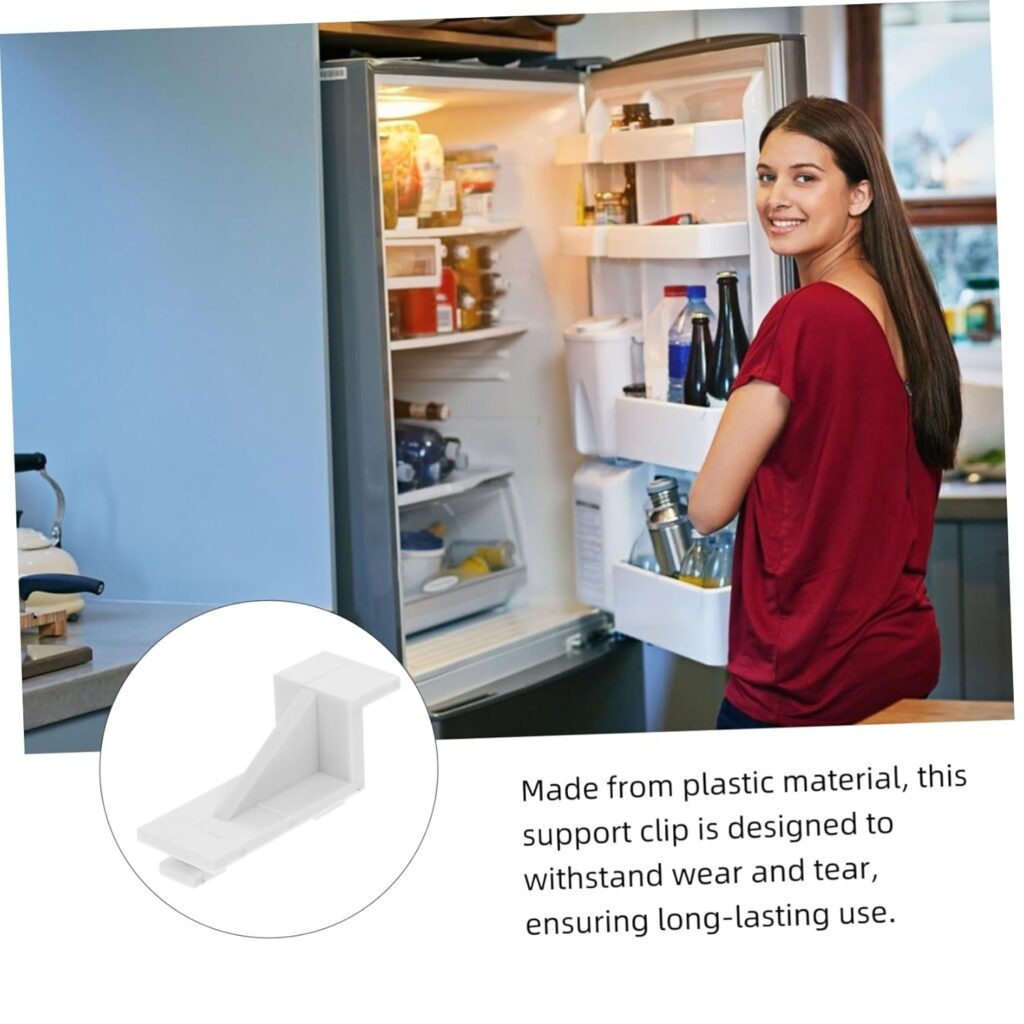
We note that the clips are made of molded plastic, intended for light- to medium-duty shelf retention in cold environments. The plastic construction helps them resist corrosion, and the snap-hook design is meant to lock onto the fridge frame or internal rails.
Key features and benefits
We’ll list the main characteristics of the product and explain why they matter to typical users.
Snap-hook design for secure fastening
We like that the clips have a snap-hook profile that allows them to latch securely to the refrigerator frame or shelf supports. This design reduces shelf wobble and prevents shelves from shifting during routine use.
Universal-ish fit for many models
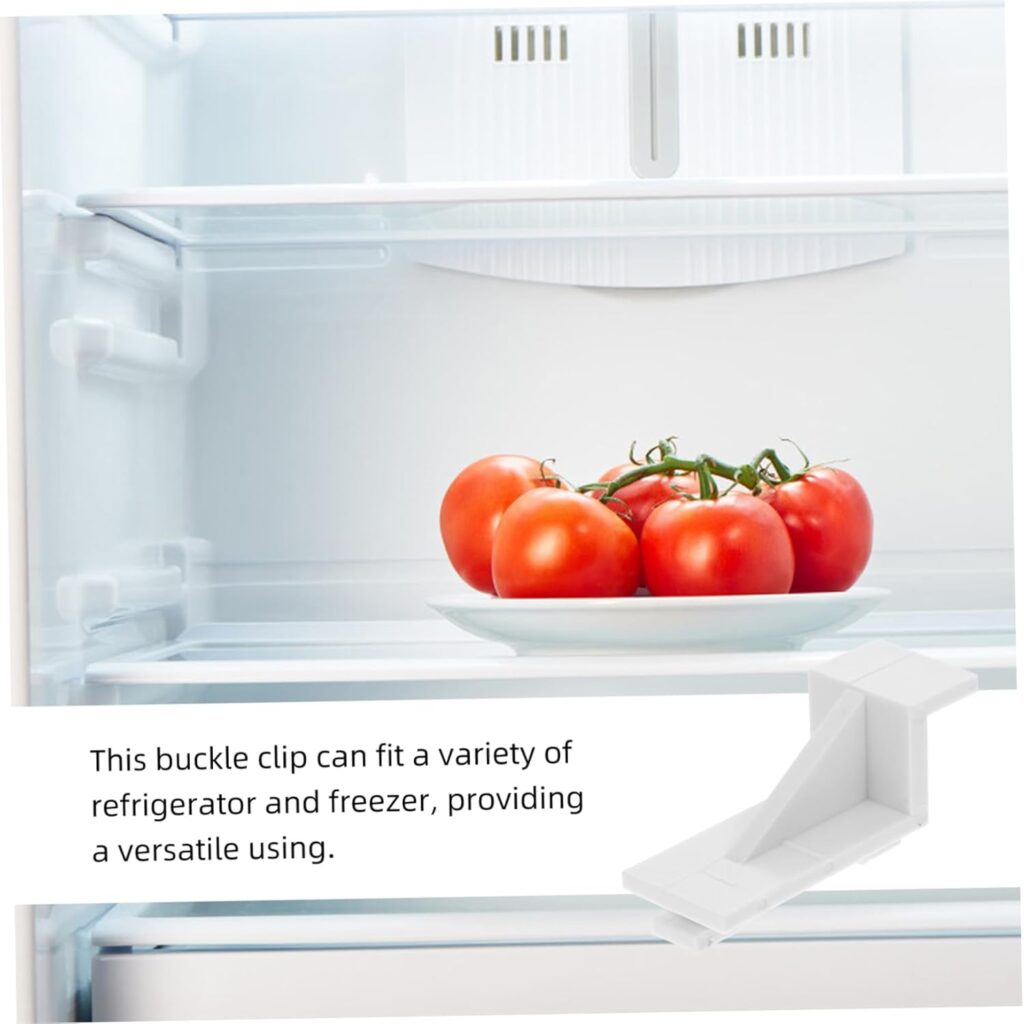
We appreciate that these clips claim to fit a variety of refrigerators and freezers. While not guaranteed to match every model, the form factor is common enough that most users will find them compatible or adaptable with minimal modification.
Quantity and value
We value that the pack contains 10 clips, which gives enough pieces for multiple repairs or future replacements. Buying clips in a multi-pack usually works out cheaper than ordering single OEM parts.
Plastic construction for corrosion resistance
We find the plastic material helpful because it won’t rust like metal clips can. That’s particularly useful in freezers and damp fridge environments where metal parts may corrode over time.
Detailed specifications
We provide a compact table to break down the product details for easier understanding.
| Attribute | Details |
|---|---|
| Product name | 10pcs Plastic Snap Hook Shelf Clips Refrigerator Freezer Shelf Fixing Clips Divider for Shelving Fridge and Freezer Parts |
| Material | Molded plastic |
| Quantity | 10 pieces per pack |
| Primary use | Shelf support, shelf fixing, divider clips |
| Compatibility | Fits a range of refrigerator and freezer shelving frames (model-dependent) |
| Installation | Snap-on; tool-free in most cases |
| Durability | Designed for light- to medium-duty use in cold environments |
| Color | Typically white or translucent (varies by seller) |
| Packaging | Bulk pack; small retail box or polybag |
We included common attributes that we know matter when deciding whether the clips will work for a specific fridge or freezer. This summary helps us quickly compare the clips to OEM parts.

Installation and setup
We explain how to fit these clips, including tips to make installation smoother.
Preparing for installation
We recommend that we first remove the shelf or inner compartment that needs support and inspect the mounting points. It’s helpful to clean the frame or rail so the new clips can seat properly, and to confirm which clip orientation matches the mounting slot.
Step-by-step installation
We find that installation typically follows a simple process: line the clip up with the shelf frame groove, press the clip into place until it snaps, then re-seat the shelf to confirm alignment. If clips require a small rotation to lock, we gently rotate them to the seated position. Most users will not need tools, but a flat-head screwdriver can help for removal of old clips or for leverage in tight spots.
Troubleshooting common fit issues
We advise that if the clip doesn’t seat easily, we should avoid forcing it and instead re-check the groove dimensions and clip orientation. Sometimes the clip may sit too loose or tight; sanding a tiny amount of plastic or using a thin washer can help, though we recommend testing on one clip before modifying multiple pieces.
Compatibility guide
We discuss how to check whether these clips will fit a particular fridge or freezer model.
Matching clip profile to shelf frame
We suggest we compare the clip profile to the broken or existing clip. Key measurements to check include hook depth, hook width, slot thickness, and the vertical lip engagement height. Taking a photo of the broken clip and the shelf frame helps when comparing with product photos or seller descriptions.
Common refrigerator types that may be compatible
We expect that many common domestic and light-commercial refrigerators with plastic internal frames or rails will accept this style of clip. Older fridges and some European or specialized commercial models might use different clip geometries, so we advise double-checking dimensions before purchasing.
When an OEM part is required
We remind ourselves that if a fridge model uses an unusual proprietary clip, or if the refrigerator relies on a metal bracket and screw, an OEM replacement may be necessary for guaranteed fit. If in doubt, we suggest contacting the appliance manufacturer with the model number for the manufacturer part number.
Performance in daily use
We cover how these clips perform once installed and what to expect over time.
Load-bearing and shelf stability
We find that these clips generally handle the weight of typical fridge items—jars, containers, and light cookware—without issues. However, they are not intended for very heavy loads such as stacked glass casserole dishes or large frozen turkeys placed on a single unsupported shelf.
Temperature resistance and longevity
We note that the plastic material is chosen for cold-tolerance; it does not rust and should withstand freezer temperatures. Over time, repeated stress, heavy loads, or exposure to strong cleaning solvents may cause embrittlement, so we advise periodic inspection for cracks.
Vibration and accidental impacts
We observe that the snap-hook mechanism provides adequate resistance to shelf movement from everyday use and door opening. A hard impact or an overloaded shelf may dislodge the clips, so we recommend careful loading habits to maintain stability.
Durability and maintenance
We explain how to maintain these clips and extend their useful life.
Routine inspection
We recommend that we check the clips whenever we clean shelves or rearrange items, looking for signs of wear such as hairline cracks, deformation, or stress discoloration. Early replacement prevents sudden shelf failure.
Cleaning and chemical exposure
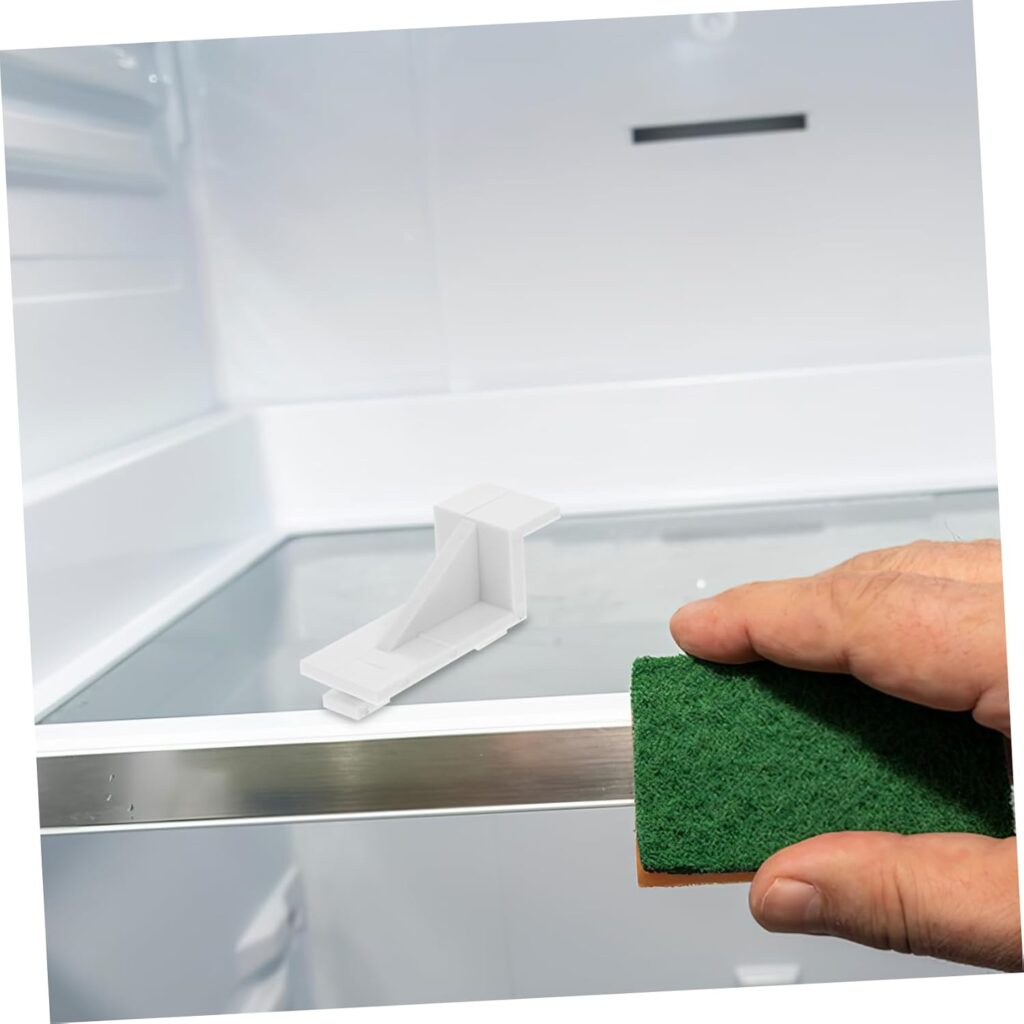
We advise cleaning clips with mild soap and warm water. Strong solvents like acetone or prolonged exposure to harsh detergents may weaken the plastic, so we avoid those. If clips are in the freezer, rinse them in warm water to remove ice buildup rather than prying them out while frozen.
Replacement cadence
We think that in typical home use, these clips will last years, but we suggest replacing them if they show visible fatigue, especially in older refrigerators where plastic hardens with age.
Pros and cons
We provide a clear list of advantages and disadvantages to help with decision-making.
Pros
- We appreciate the affordable cost and bulk quantity, which makes multiple repairs practical.
- The snap-on installation is usually tool-free and fast.
- Plastic material resists corrosion in moist or cold environments.
- The universal shape fits many models, reducing the need for OEM ordering.
Cons
- We recognize that fit is not guaranteed for every fridge model, and dimensions must be verified.
- Plastic construction, while corrosion-resistant, may be less durable under heavy loads compared to metal brackets.
- Color and finish may not match original OEM clips exactly, which can look less tidy in visible areas.
- Instruction or specifications from sellers are sometimes sparse, requiring us to measure our existing clips.
Comparative analysis with alternatives
We compare these clips with OEM parts, metal brackets, and aftermarket single-piece options.
OEM replacement parts
We find that OEM clips typically match dimension and finish perfectly, with manufacturer-backed fitment. However, OEM parts are often more expensive and sometimes sold singly, making bulk replacement pricier.
Metal shelf brackets
We note that metal brackets offer higher load capacity and durability but can corrode unless stainless steel or coated. Installation is sometimes more invasive, requiring small screws or drilling.
Aftermarket single clips and universal kits
We see that some aftermarket kits offer multi-material options or adjustable clips. These can be more versatile but may require more tinkering to fit properly.
Our recommendation on selection
We think that for most common household needs, the 10pcs plastic snap clips offer the best balance of cost and convenience. For heavy-duty or commercial refrigeration with high-load demands, metal brackets or OEM parts may be preferable.
Value and pricing considerations
We discuss whether the product offers good value and when to prioritize price vs fit.
Cost per piece and expected lifespan
We like that buying in a 10-pack reduces the cost per clip considerably. Even if a few pieces are stored as spares, the pack is a good hedge against future breakage.
When to spend more on OEM
We suggest spending more if the appearance and exact fit are crucial, for example in display fridges or commercial installations where downtime matters. For hidden supports or low-stress areas, the plastic clips are an economical choice.
Warranty and seller support
We advise checking the seller’s return and warranty policy. Many third-party sellers offer limited return windows, and knowing the policy gives us confidence to test-fit before committing to full use.
Who should buy this product
We outline typical users who will benefit most from this product.
Homeowners and renters
We believe home cooks, families, and renters will find the clips ideal for small repairs without calling a technician. They’re especially good for fixing cracked or missing shelf supports in older fridges.
Landlords and property managers
We expect landlords will appreciate buying clips in bulk for quick turnover repairs between tenants. Ten clips can service multiple apartments or be kept as spares for the maintenance closet.
Light-commercial users
We think small café or office kitchens that need quick fixes for non-critical shelving can use these clips as temporary or semi-permanent solutions. For high-use display cases, heavier-duty solutions may still be warranted.
Packaging and what to expect in the box
We describe typical packaging and contents, so we know what to look for upon receipt.
Typical package contents
We expect a pack of 10 identical plastic snap-hook clips, usually in a polybag or small box. There may be minimal instruction material, so the product is generally self-explanatory.
Condition on arrival
We recommend inspecting the clips immediately for manufacturing defects such as incomplete molding, thin sections, or warping. If any clips are damaged, we advise contacting the seller for replacement.
Installation tips and tricks
We provide practical suggestions to make the installation easier and more reliable.
Using a single clip as a test
We recommend installing one clip first and testing the shelf fit before replacing all damaged clips. This helps avoid wasted effort if the clip profile differs from the original.
Temporary securing methods
If a clip fits but is a little loose, we suggest adding a small strip of thin plastic or adhesive-backed foam as a shim to increase friction. We caution against using excessive adhesive that could obstruct future removal.
Removing stuck or brittle old clips
We find that warming brittle plastic slightly (with a hairdryer) can increase flexibility and reduce the chance of breakage during removal. We advise working gradually and not using excessive force.
Safety considerations
We note safety aspects to keep in mind during installation and use.
Avoiding sharp edges and pinching
We recommend wearing gloves if we expect to work around sharp trapdoors or metal frames, and being careful of pinch points when snapping clips in place.
Food safety and contamination
We advise ensuring clips are clean and free of chemical residues before reinstalling shelves that hold food. A quick wash with mild soap and thorough rinse is usually sufficient.
Weight limits and load distribution
We stress that we should distribute heavy items across multiple shelves to avoid overloading a single clip pair. Even well-seated clips can fail under concentrated loads.
Troubleshooting common problems
We list typical issues users encounter and how we fix them.
Clips won’t snap into place
We check alignment and confirm that we’re engaging the correct groove. If misaligned, we reposition the shelf or clip and try again. If the clip is slightly oversized, gentle trimming or warming can help.
Clips feel loose after installation
We recommend testing load with light items first. A loose clip can sometimes be tightened with a small shim or thin strip of tape. If multiple clips are loose, an alternative clip profile may be needed.
Clip breaks during installation
We suggest inspecting the rim for burrs or sharp edges that may concentrate stress. If clips break easily, contact the seller for replacement and avoid using excessive force; warming the clip can reduce brittleness.
Alternatives and complementary parts
We propose items to consider alongside or instead of these clips.
Replacement shelves or frames
If the shelf glass or frame is warped or damaged, replacing the entire shelf might be more practical than repeatedly replacing clips. We consider weight, age of the fridge, and cost comparisons.
Metal brackets and reinforced supports
For higher load applications, we recommend reinforced metal brackets that can be affixed with screws. These provide superior longevity and load-bearing capacity.
Universal adjustable clips
We note that adjustable or universal shelf clips offer flexibility if dimensions vary widely across models. They are often slightly more expensive but reduce fit concerns.
Frequently asked questions (FAQ)
We address typical questions we anticipate from buyers.
How do we know these clips will fit our fridge?
We advise measuring the existing clip or the groove dimensions and comparing to product photos and descriptions. Taking a clear photo of the broken clip and frame helps when communicating with the seller.
Can we use these in the freezer?
Yes, the plastic material is chosen for cold resistance, and we’ve used similar clips in freezers. Avoid exposing them to solvents or prolonged direct contact with heating elements.
How many clips are required per shelf?
Most shelves require four clips—two on each side—or sometimes a pair per supporting rail, depending on the fridge design. We suggest checking the shelf layout to determine how many replacements are needed.
Can we color-match them to our fridge interior?
These clips usually come in neutral colors like white or translucent. If aesthetics matter, painting is possible with plastic-compatible spray paint, but we caution that paint may affect fit and food-safety considerations.
Final recommendation and verdict
We summarize our overall stance and offer a closing recommendation.
We think the 10pcs Plastic Snap Hook Shelf Clips Refrigerator Freezer Shelf Fixing Clips Divider for Shelving Fridge and Freezer Parts represent an affordable, practical solution for many common refrigerator and freezer shelving issues. For typical household use, they provide a cost-effective and easily installed way to restore shelf stability and avoid service calls. We recommend them for homeowners, landlords, and light-commercial users who need a quick repair or want to keep spares on hand. For heavy-duty or proprietary fittings, we suggest verifying dimensions or investing in OEM or metal alternatives.
Quick buying checklist
We give a short list to help us decide before purchasing.
- Measure the original clip dimensions and groove width.
- Confirm the quantity needed per shelf and whether a 10-pack is sufficient.
- Inspect seller return policy in case clips don’t fit.
- Consider the expected load and whether plastic clips are adequate.
- Keep a couple of extras for future maintenance.
We hope this detailed review helps us confidently decide whether these clips will meet our fridge or freezer shelving needs.
Disclosure: As an Amazon Associate, I earn from qualifying purchases.


