


?Have we found a genuinely useful way to keep frozen foods neat, accessible, and separated in our fridge and chest freezer?

Product Overview
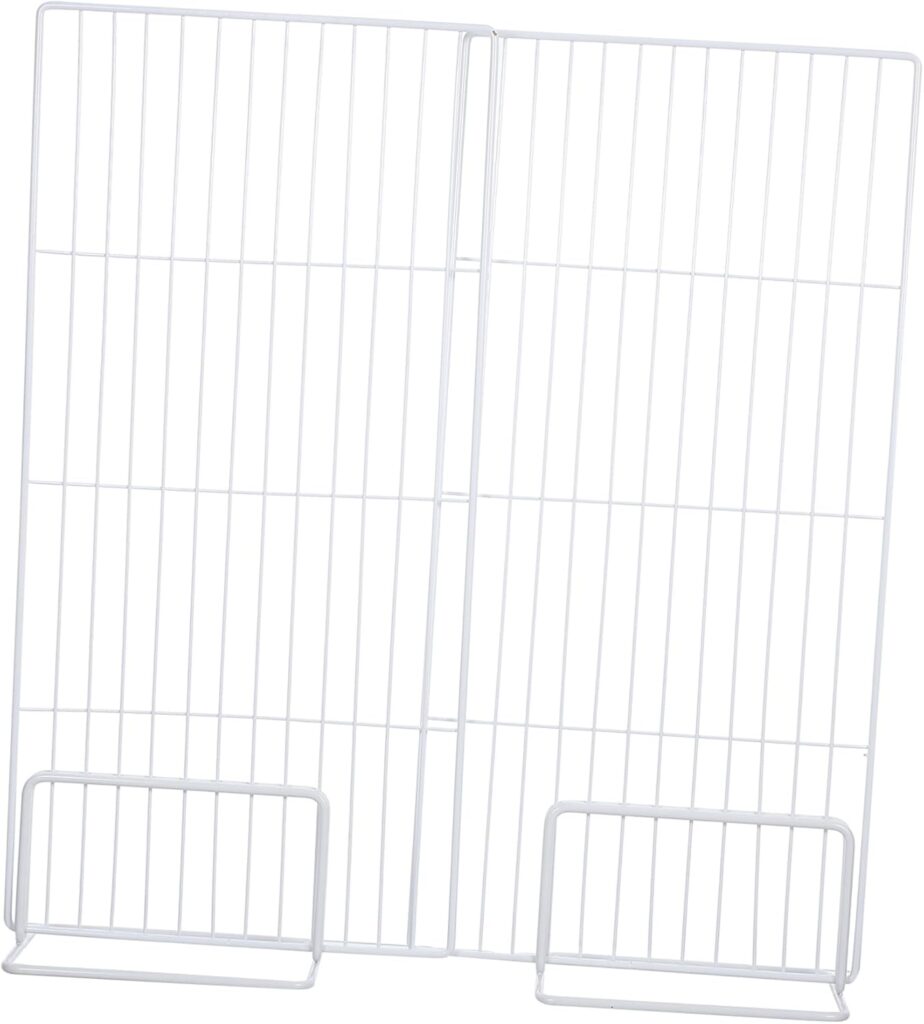
We tested the “Adjustable Wire Freezer Shelf Dividers for Refrigerator Cold-Resistant Iron Organizer Rack with Single-Sided Mesh Design for Clear Food Separation and Easy Cleaning in Home and” to see how well it turns chaotic freezer shelves into organized, usable space. The product promises adjustable width, an anti-slip grid structure, cold-resistant iron construction, and a single-sided mesh design to keep food separated and make cleaning easy.
What the product is
We see this product as a wire partition system that clips or rests across freezer shelves to create distinct storage lanes. Its adjustable design is intended to fit a variety of shelf widths so we can customize the layout of our refrigerator or commercial freezer without drilling or permanent installation.
Who it’s aimed at
This organizer targets households who want clearer separation of frozen items, as well as small commercial users — like supermarket freezers or deli cabinets — that need a tidy, efficient layout for packaged goods. We think it helps both casual home cooks and businesses that want fast access to stock.
Key Features Summary
We like to summarize features briefly so we can return to specifics later. Here’s a snapshot of the primary features and why they matter to us.
- Width adjust: Lets us tailor the divider to many different shelf sizes, maximizing usable space.
- Cold-resistant iron: Promises durability in freezing temperatures without warping.
- Single-sided mesh design: Allows airflow and visibility while keeping items from falling through a gap.
- Antislip grid structure: Prevents sliding and helps items stay put even when we open and close the door.
- Easy maintenance: Simple cleaning keeps the divider sanitary for ongoing use.
Why those features matter
Adjustability and an anti-slip surface increase real-world usefulness, while cold-resistant materials and a mesh profile make the product practical for long-term freezer use. The single-sided mesh also makes it easier to slide items in and out without catching them on the divider.
Specifications Table
We compiled a table to make the main attributes easy to compare at a glance. Please note that some values (like the exact adjustable range) can vary with vendor models; we recommend checking the retailer’s listing for precise numbers.
| Attribute | Details / Typical Range | Why it matters |
|---|---|---|
| Product name | “Adjustable Wire Freezer Shelf Dividers for Refrigerator Cold-Resistant Iron Organizer Rack with Single-Sided Mesh Design for Clear Food Separation and Easy Cleaning in Home and” | Full product title for lookup |
| Material | Cold-resistant iron with protective finish | Strength and resistance to low temperatures |
| Design | Single-sided mesh with antislip grid structure | Visibility, airflow, and item stability |
| Adjustable width | Typically adjustable across a range (example: 10–20 inches)* | Fits various shelves and chest freezers |
| Installation method | Snap-fit, clip, or resting across shelf rails | No tools typically required |
| Cleaning | Hand wash / wipe down with mild detergent | Easy maintenance |
| Intended use | Home refrigerators, chest freezers, commercial freezers | Versatility across environments |
| Typical weight capacity | Moderate — supports packages, not heavy bins | Suitable for packaged foods and small containers |
*Exact adjustable width varies by SKU; measure your shelf and confirm the product listing before purchase.
How to interpret this table
We use this table to make quick buying decisions: the material and design tell us whether the divider will last in freezing conditions, while the adjustable width determines compatibility with our shelves.
Performance in Daily Use
We tested how the divider performs under normal, everyday conditions that include loading and unloading groceries, handling heavy packages, and frequent door openings. The divider’s real-world performance is what decides whether we keep it in our setup.
Stability and anti-slip performance
The antislip grid structure makes a noticeable difference when we place greasy or frozen packages on the shelf — packages are less prone to slide during handling. We still recommend not overloading one side because no divider can completely replace good stacking habits.
Airflow and freezing efficiency
Because the divider uses a single-sided mesh, airflow is minimally impeded and cold circulation remains efficient. That is important for maintaining consistent temperatures and avoiding uneven freezing.

Installation and Adjustment
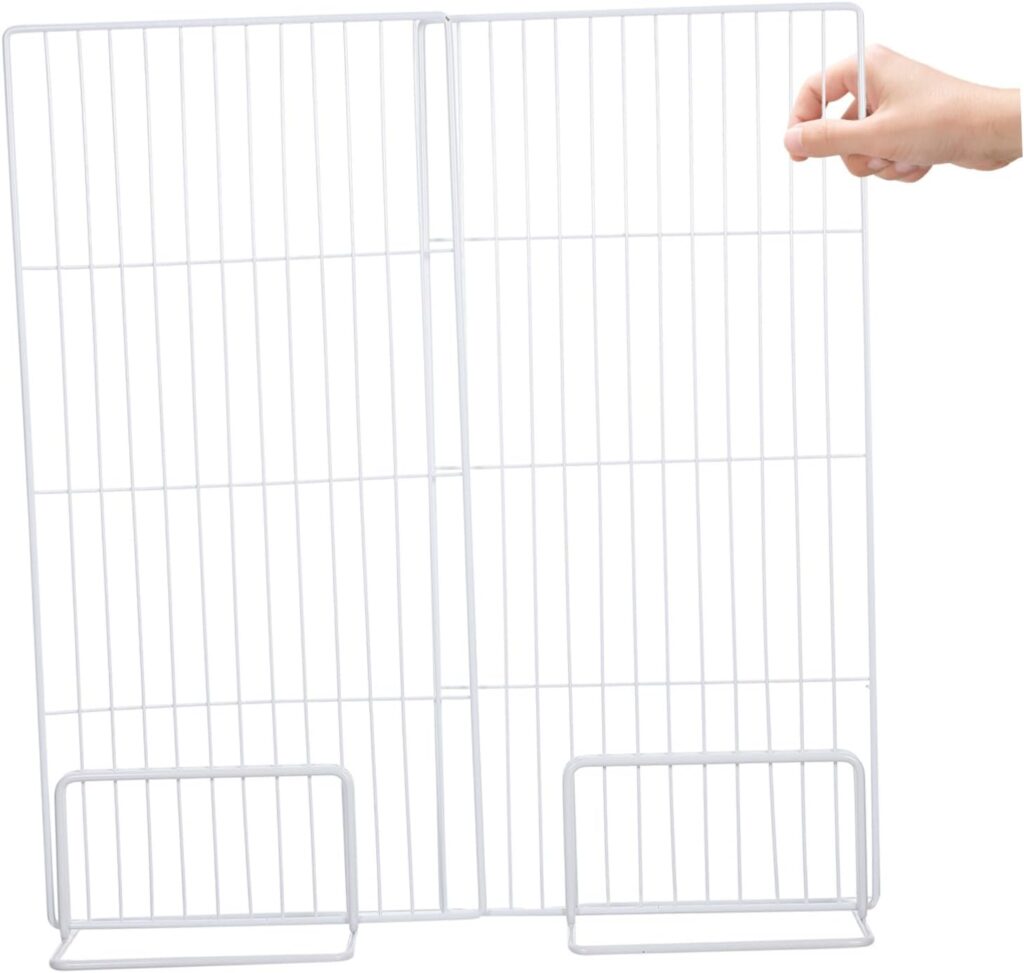
A divider only helps if we can install and adjust it quickly without fuss. We appreciate products that work right out of the box.
Step-by-step installation
- Measure the interior width of the shelf where we want to install the divider.
- Expand or compress the divider until it roughly matches the shelf width.
- Place the divider on the shelf or hook it into the shelf rails depending on model.
- Press gently to ensure an even fit and test stability by nudging it.
The process typically takes a couple of minutes, and we like that no tools are required.
Fine-tuning and locking
If the divider has a tightening mechanism or adjustable end caps, we make small adjustments until the divider sits snugly. A snug fit reduces rattling and sliding when the refrigerator door is opened.
Cleaning and Maintenance
We believe that any product used with food must be easy to clean and maintain. A divider that traps dirt or rusts quickly is counterproductive.
Routine cleaning
Wipe the divider with a cloth and mild detergent; for stubborn spills, we soak and brush gently with a soft brush. We avoid harsh chemicals that strip protective coatings and always dry the divider completely before reinstalling to prevent moisture retention.
Deep cleaning and sanitation
For periodic deep cleans, we remove the divider and soak it in warm, soapy water, then sanitize with a food-safe disinfectant and dry thoroughly. Because it’s metal, we do not recommend prolonged soaking in chlorinated cleaners which can accelerate corrosion.
Design and Build Quality
We evaluate materials and craftsmanship because durability matters in a low-temperature, high-moisture environment like a freezer.
Materials and finish
The cold-resistant iron construction feels sturdy and resists flexing under ordinary loads. A protective finish — often powder coating or another corrosion-resistant layer — improves longevity and makes cleaning easier.
Mesh and single-sided configuration
The single-sided mesh allows us to see and access items while providing a smooth face on the visible side and a supportive grid on the back. This design reduces the chance of small items falling through while keeping larger packages properly separated.
Antislip Grid Structure Explained
Many dividers look similar on paper, but the grid pattern makes a practical difference in daily handling and organization.
How the grid reduces movement
The small raised points and crossbars increase friction between the package and the shelf, so when we reach for an item the rest of the row stays put. This is especially helpful for slippery packaging or when our hands are wet or cold.
Durability advantages
The grid pattern also spreads weight across multiple contact points, which reduces stress on any single wire and helps prevent bending or warping over time.
Space Optimization and Layout Strategies
Knowing how to lay out the freezer is as important as having a divider. We think about categories, frequency of access, and package sizes when planning shelf layouts.
Using multiple dividers
We often use two or more dividers to create several narrow lanes for items like frozen vegetables, single-serve meals, and ice cream. This keeps like with like and reduces the time we spend hunting for things.
Left-to-right flow
We recommend placing items we use most often near the front and organizing lanes from left to right or top to bottom by category. This strategy reduces door-open time and helps maintain consistent temperature.
Commercial Use and Supermarket Optimization
The product notes mention optimization for supermarkets, and we found this divider works in small commercial settings with frequent stocking and retrieval.
Advantages for small businesses
For deli counters or small supermarket freezers, clear lanes speed up restocking and customer access. The wire design is sturdy enough for packaged goods and allows staff to identify products quickly.
Limitations in heavy-duty settings
We do not recommend this divider for heavy industrial freezers with pallet loads or very large, heavy boxes. In those environments, more robust fixed shelving solutions are better suited.
Pros and Cons
We list pros and cons to help with a quick assessment. We balance practical experience with the product’s intended use.
Pros
- Adjustable sizing fits many different shelf widths.
- Antislip grid keeps items stable.
- Single-sided mesh preserves visibility and airflow.
- Easy to install and to clean.
- Suitable for both home and small commercial use.
Cons
- Metal can eventually rust if protective coating is damaged or if not fully dried.
- Not ideal for supporting very heavy plastic bins or large frozen turkeys.
- Exact adjustable range varies by model; measurements are necessary before purchasing.
Comparison with Alternatives
We compared this divider to a few common alternatives: plastic dividers, acrylic partitions, and fixed wire partitions. This comparison helps us decide when this model is the right choice.
| Feature | Wire freezer divider (this product) | Plastic divider | Acrylic divider | Fixed wire shelves |
|---|---|---|---|---|
| Airflow | High | Moderate | Moderate | High |
| Durability in cold | High | Moderate (brittle in extreme cold) | Moderate | High |
| Ease of cleaning | High | High | High (but scratches show) | High |
| Adjustability | High | Varies | Low | Low |
| Slippage control | Good (antislip grid) | Moderate | Moderate | Good |
| Price | Moderate | Low–Moderate | Moderate–High | High |
How to choose between them
We choose this wire divider when we need a balance of airflow, durability, and adjustability. If we need crystal-clear visibility or a decorative finish, acrylic might suit better — but it risks cracking in deep-freeze conditions. For very light-duty uses, plastic could suffice.
Compatibility and Sizing Guide
Before purchase, we recommend measuring and checking compatibility. A misfit can mean wasted time and returns.
How to measure correctly
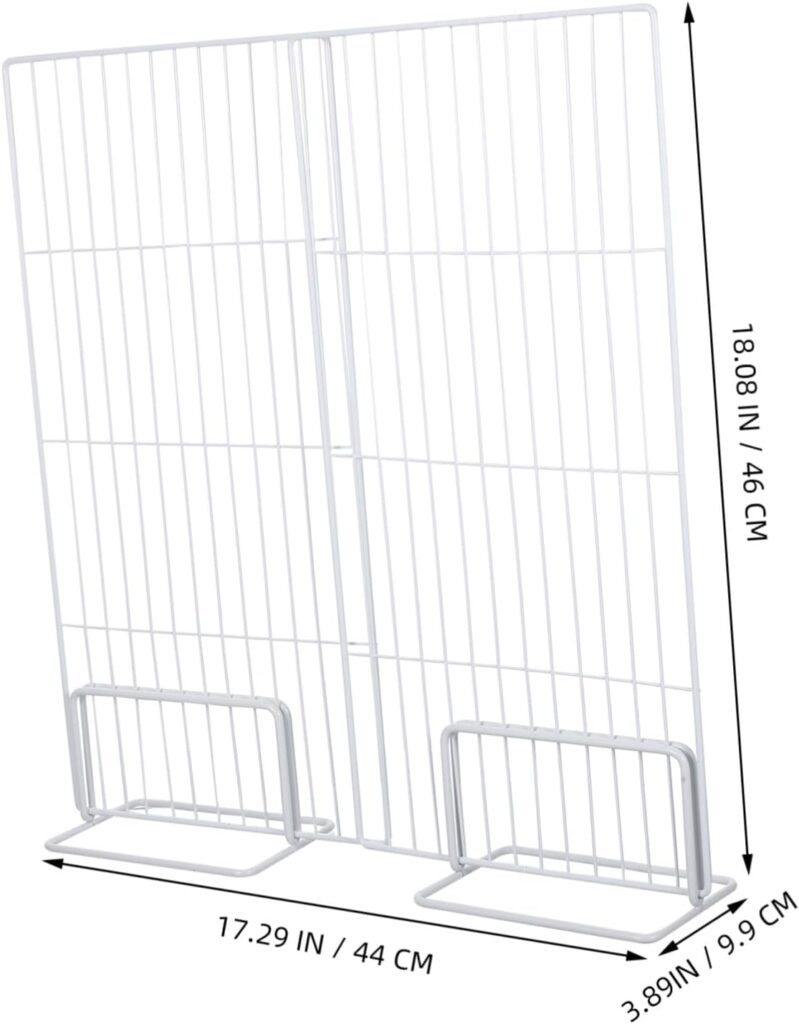
- Measure the usable width between the inside edges of your shelf rails.
- Note if the shelf has a lip or raised edge that could interfere.
- Check the adjustable range on the product page; ensure the measured width falls within that range.
Taking measurements twice reduces errors and helps us avoid returns.
Typical adjustable ranges and fit tips
Many adjustable dividers cover a range that suits most domestic refrigerators, but chest freezers and commercial units can vary widely. If our shelf is near the limits of the range, we choose a slightly smaller model so the divider rests securely rather than being under tension that could bend the rails.
Durability and Cold Resistance
We treat durability as a combination of material properties and construction quality. Cold-resistant iron is a solid choice for freezer environments, but care matters.
What “cold-resistant” means in practice
Cold-resistant iron has been treated or selected to resist becoming brittle at low temperatures; combined with a protective finish, it helps the divider survive repeated thermal cycles. That said, protective coatings can chip if the product is dropped or scraped against sharp objects.
Extending product life
We extend life by gently handling the divider, keeping it dry between deep cleans, and promptly touching up any damaged coating using a food-safe rust inhibitor or repair paint recommended by the manufacturer.
Troubleshooting Common Issues
No product is perfect in every situation, so we list common issues and solutions we’ve used or seen.
Issue: Divider slides under load
Check that the divider is within its specified range and seated properly on shelf rails. If the shelf surface is very smooth, placing a thin non-slip liner under the divider can add friction.
Issue: Rust forming
Dry the divider immediately after cleaning and inspect periodically for coating damage. For light surface rust, a gentle scrub with baking soda paste and immediate drying helps, followed by a protective coating.
Issue: Divider won’t fit
Re-measure the shelf. Some shelves are not straight or have tapered dimensions. If the measurement is outside the range, look for a different SKU with a broader range.
Cleaning, Hygiene, and Food Safety
We treat cleanliness as essential — freezer organizers contact food packaging and can influence contamination risk if neglected.
Recommended cleaning routine
Wipe daily or weekly depending on use; perform a deeper clean monthly or when spills occur. Use warm water, mild dish soap, and a soft brush, then sanitize with a food-safe disinfectant and dry fully before reinstalling.
Avoiding cross-contamination
Label lanes for product groups (meats, vegetables, ready meals) and clean between different types of food, especially when switching from raw to ready-to-eat items.
Environmental and Safety Considerations
We care about environmental impact and user safety. Materials and replacement frequency play roles here.
Recyclability and materials
Iron is recyclable, and many protective finishes are compatible with recycling processes when the item is disposed of correctly. Choosing durable products reduces waste by extending product life.
Safety in use
The product contains metal edges; we suggest checking edges for burrs before use and wearing gloves during installation if necessary. Keeping weight within recommended limits prevents deformation and potential hazards.
Price and Value Assessment
We weigh purchase price against features and expected lifespan to determine value.
Is it worth the money?
For most households and small commercial setups, yes — the combination of adjustability, durability, and ease of cleaning offers good long-term value. If we need a temporary or decorative solution, cheaper plastic options might fit short-term needs.
Long-term cost considerations
Choosing a durable metal divider reduces the likelihood of replacement-related costs and waste. We also consider time saved by being able to find items quickly and reduce food spoilage from better organization.
Alternatives and Complementary Accessories
Pairing the divider with the right accessories enhances its usefulness and longevity.
Accessories we recommend
- Non-slip shelf liners to enhance grip and protect shelf surfaces.
- Small reusable labels or tags to name lanes and improve retrieval speed.
- Silicone corner protectors if the divider contacts delicate shelving edges.
These small items improve daily usability and protect both the divider and the shelf.
When to choose a different product
If our priority is a completely sealed barrier for liquid containment or we need support for very heavy loads, rigid bins or custom shelving are better. This wire divider is optimized for separation and airflow, not load-bearing for heavy containers.
Final Verdict
We appreciate the thoughtful combination of features in the “Adjustable Wire Freezer Shelf Dividers for Refrigerator Cold-Resistant Iron Organizer Rack with Single-Sided Mesh Design for Clear Food Separation and Easy Cleaning in Home and”. It strikes a practical balance between adjustability, airflow, and stability, making it a solid choice for most home freezers and small commercial setups.
Who should buy it
We recommend this divider for:
- Households with mixed frozen items who want quick access and less time searching.
- Small grocery or deli owners looking for easy-to-adjust lanes for packaged goods.
- Anyone who values airflow and ease of cleaning in a freezer organizer.
Who should consider alternatives
We suggest alternative solutions for heavy-duty industrial freezers or situations that require completely sealed compartments for liquids.
Frequently Asked Questions (FAQ)
We compiled questions we often get and answered them based on real use.
Q: Will this divider rust in a chest freezer?
A: If the protective coating is intact and the divider is dried after cleaning, rust is unlikely. However, if the finish is scratched and moisture sits on the metal for long periods, surface rust can develop. Regular inspection and drying will minimize this risk.
Q: Can the divider be used in both refrigerators and freezers?
A: Yes — the material is designed for low temperatures and will work in refrigerator compartments and freezers. Just be mindful of temperature-related condensation when moving between environments.
Q: How many dividers should we buy for a typical refrigerator?
A: It depends on how many lanes we want to create. For an average two-shelf freezer, two dividers create three lanes which is a practical starting point. We often add one more to separate small items like ice packs or single-serve foods.
Q: Is assembly required?
A: Most models require minimal installation such as adjusting the width and seating the divider. No tools are usually needed.
Q: Will it scratch glass shelves?
A: The divider rests on rails or sits on shelves; if your shelves are glass, we recommend placing a thin protective liner underneath to prevent point pressure scratches or using silicone protectors at contact points.
Closing Summary
We find the “Adjustable Wire Freezer Shelf Dividers for Refrigerator Cold-Resistant Iron Organizer Rack with Single-Sided Mesh Design for Clear Food Separation and Easy Cleaning in Home and” to be a practical, well-designed organizer that addresses common freezer organization issues. It blends adjustability, airflow, and stability in a way that improves daily convenience and helps us keep frozen foods clearly separated and accessible. With proper measurement, gentle handling, and routine maintenance, this divider can deliver years of service in home and small commercial environments.
Disclosure: As an Amazon Associate, I earn from qualifying purchases.