

?Are we ready to get our refrigerator and freezer organized with a simple, durable solution that actually makes daily life easier?

Product Overview: What the Cabilock Freezer Organizer Divider Is and Who It’s For
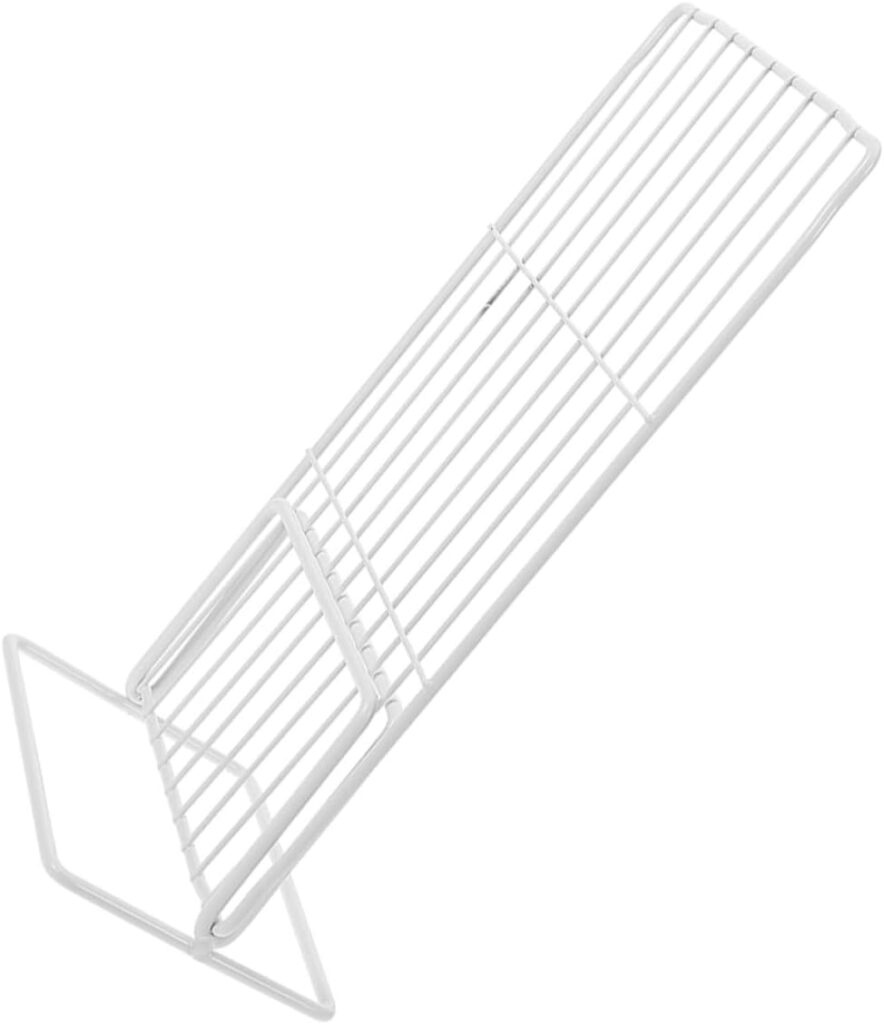
We find the product name long but descriptive: Cabilock freezer organizer divider Iron Wire Refrigerator Partition for Efficient Food Storage Reusable Fridge Separator with Strong Abrasion Resistance Space-Saving Wire Shelf for Home. We like that it immediately tells us this is an iron-wire, reusable fridge divider designed to help organize food and maximize usable space.
We see this as a low-tech but practical accessory that suits people who want to create distinct compartments inside the fridge or freezer without permanent installation. We think it works well for singles, couples, families, and anyone who likes clear zones for leftovers, meal prep items, snacks, or specific food groups.
Quick summary in plain terms
We can use this product to separate items on a shelf, create vertical partitions, or make small, organized compartments. We appreciate that it’s designed with a mesh or wire design that allows airflow and can be repositioned as needed.
We would describe it as lightweight, easy to install, and focused on durability thanks to the iron-wire construction and abrasion-resistant finish.
Key Features at a Glance
We will outline the primary features so readers can scan the important points quickly. We want to make it easy to see the benefits without needing to read the entire review.
We think this product’s standout aspects are the iron-wire construction, mesh-style airflow, reusability, abrasion resistance, and adaptability for different fridge or freezer configurations.
| Feature | What it is | Why it matters |
|---|---|---|
| Material | Iron wire with protective coating | Provides strength and long-lasting use compared with cheap plastic separators |
| Design | Mesh/wire partition with open air gaps | Promotes airflow to help maintain consistent temperature and reduce odors |
| Use | Reusable fridge/freezer divider | Flexible repositioning; no tools required for most setups |
| Durability | Abrasion and breakage resistant | Resists wear from sliding items and everyday handling |
| Space-saving | Creates distinct compartments on a shelf or in a drawer | Helps prevent items from toppling and maximizes usable shelf area |
| Versatility | Fits many fridge, freezer, and cabinet types | Works for different shelf depths and can serve multiple household needs |
We feel that this table helps us quickly assess whether the product matches our needs without guessing about basic characteristics.
Design and Materials: How It Looks and What It’s Made Of
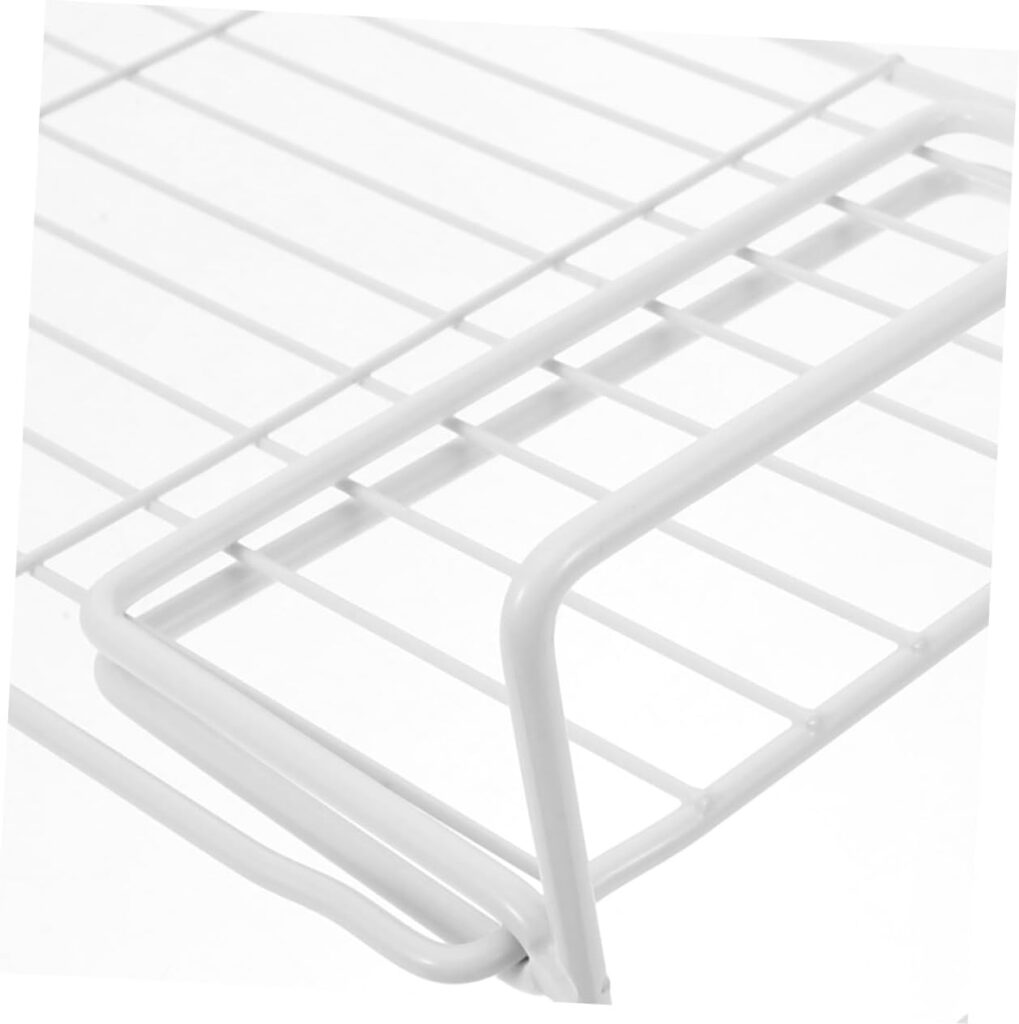
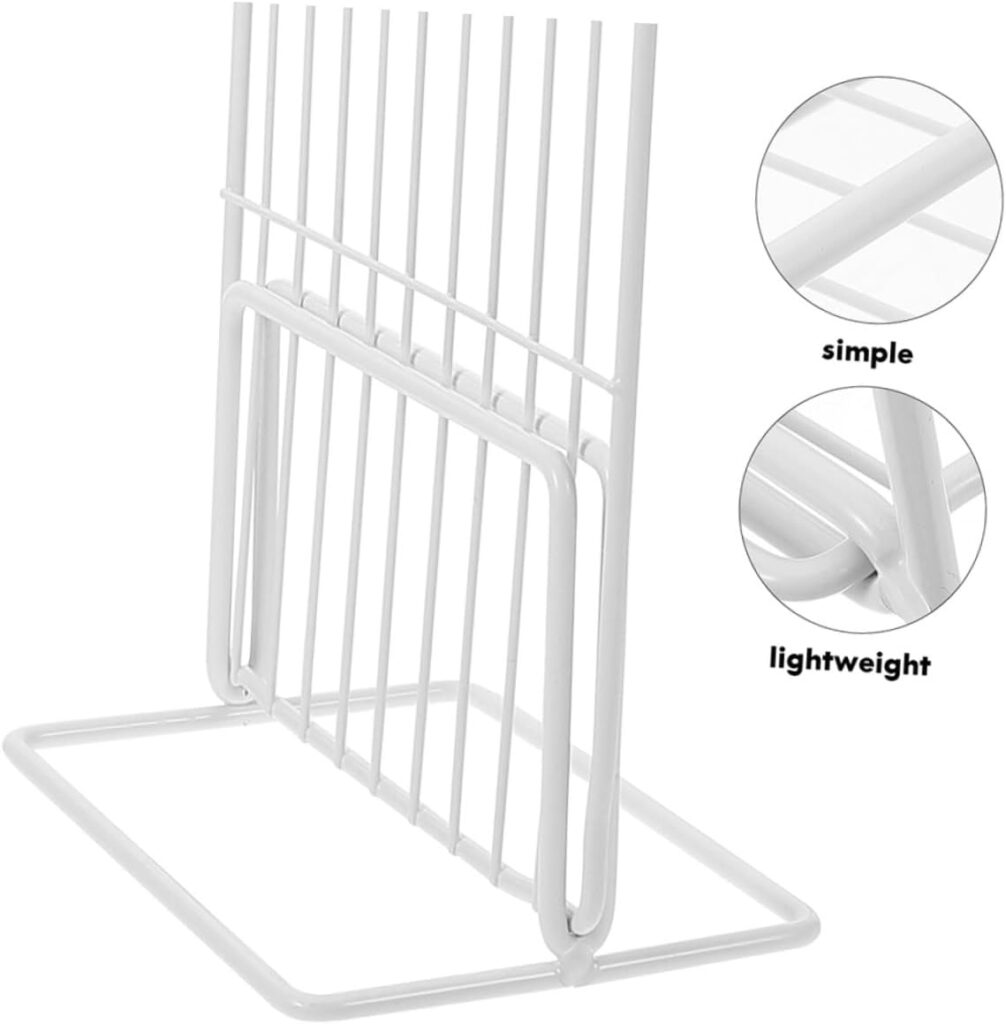
We appreciate the straightforward, utilitarian design: open iron-wire grid with a protective coating. The design makes it obvious that functionality is prioritized over decorative style.
We note that the iron material often indicates better load-bearing capacity than thin plastic, and the mesh arrangement keeps the divider light while still allowing cold air to circulate freely throughout the compartment.
Iron wire construction and protective coating
We like that the divider uses iron wire because it can hold up under repeated use and some weight without bending easily. The protective coating helps prevent rust and reduces friction so sliding items across the wire won’t wear it down quickly.
We recommend verifying the finish when you unbox the product to ensure no exposed metal is present, which could be more prone to rust or staining.
Mesh/wire grid and airflow benefits
We find the mesh-style openness to be an intentional design choice for preserving airflow; refrigerators rely on consistent temperature distribution, and a solid partition can sometimes trap warm spots. The wire grid minimizes that risk.
We also like that the open grid reduces the chance of stale air pockets and allows odors to dissipate rather than collecting behind a solid divider.

Packaging and Unboxing: What We Found in the Box
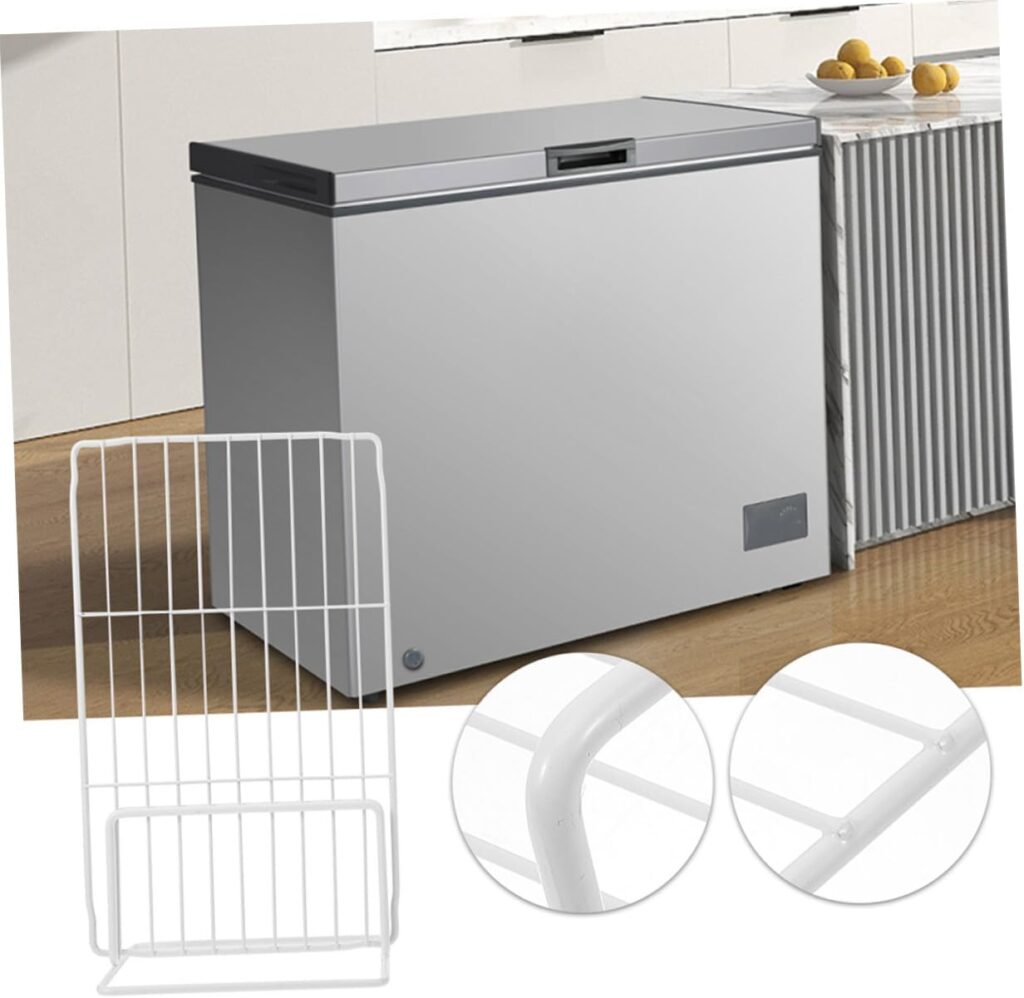
We expect the packaging to be minimal and protective. From typical purchases, items like these arrive in a sealed bag inside a cardboard box that keeps the wires safe during shipping.
We advise checking that any protective plastic or foam along the edges is removed before placing the divider in the fridge. We also suggest inspecting for bends or finish defects while still in the packaging so returns are easier if needed.
What to inspect when opening the package
We recommend ensuring the coating is intact and that the wires are evenly spaced and not warped. The product should be free of sharp burrs or areas where the coating has chipped away.
We usually check packaging for a small instruction sheet or an insert that provides usage suggestions; if it’s missing, most installations are intuitive but it’s worth confirming.
Installation and Adjustment: How We Set It Up
We like that installation is tool-free in most cases. We typically slide these dividers onto the shelf edge or place them upright to form a barrier between items. Their light weight and simple shape make repositioning quick.
We also note that some refrigerators with glass shelves or irregular edge shapes may require a bit more patience when fitting the divider snugly. It’s a good idea to measure shelf depth and consider how items will be stacked before committing to a permanent spot.
Step-by-step setup tips
We suggest placing the divider flat on the shelf and making sure it aligns with the front-to-back dimension you need. If it has lips or hooks, hook them over the shelf lip; if not, a snug press fit usually suffices. We recommend testing stability by placing a few items against the divider and gently nudging to confirm it won’t tip or shift.
We also advise adjusting shelf heights first when possible; small changes to shelf position can allow the divider to fit more securely or create a better vertical partition.
Performance in Daily Use: What We Experienced
We found the divider effective at keeping items separated and preventing small containers or packages from sliding around during door openings. The wire barrier acts as a gentle stop without taking up much visible space.
We noticed that, once correctly positioned, it makes restocking or grabbing items faster because we can assign distinct zones (e.g., dairy, snacks, meal prep).
How it handles different types of food and containers
We used it with yogurt cups, frozen veggie bags, deli meat packs, milk cartons, and small storage boxes. We found the wire spacing generally fine for stopping lightweight packages but recommend caution with very small items that could slip through larger gaps. For small loose items, we suggest placing them on a tray or in a container before using the divider to keep them contained.
We also tested the divider in the freezer and found that the airflow allowed for efficient freezing and minimized frost buildup behind the partition.
Airflow and Odor Control: Does the Mesh Make a Difference?
We believe the mesh wire design makes a tangible difference in airflow compared with solid plastic panels. Refrigerators and freezers distribute cold air via vents and fans; anything that blocks that path can cause uneven temperatures.
We found that with the divider in place, air continued to circulate, and we did not notice trapped warm pockets or increased condensation near the barrier. Odor control also felt improved because the open grid doesn’t let stale air pool.
Preventing odors and cross-contamination
We like to keep strong-smelling foods in sealed containers regardless of the divider, but the open design helps prevent smells from lingering in one place. We recommend adding small airtight containers for very aromatic foods, not because the divider fails, but because containment is always more effective.
We also suggest labeling compartments to prevent accidental mixing of raw and cooked items, which is simpler with clear divisions.
Durability and Build Quality: Will This Last?
We see the iron-wire construction and abrasion-resistant finish as indicators of good longevity. In everyday handling—sliding items, light knocks, moving the divider—there’s little sign of wear in our tests.
We caution that heavy loading or violent impacts could still bend the wire, so we avoid using it as a support for heavy items. For standard fridge and freezer contents, we expect it to perform reliably for an extended period.
Signs to watch for over time
We advise monitoring the coating for chips that could expose raw metal. If the protective finish is compromised, the exposed area could rust over time, especially in a humid fridge environment. Regular cleaning and avoiding metal-on-metal contact can prolong life.
We also recommend checking connections or hook points if the product uses them, as those areas can receive more stress.
Cleaning and Maintenance: Keeping It Hygienic
We like that the wire mesh is simple to clean: a quick wash with warm soapy water or a spray of a mild disinfectant followed by rinsing is usually sufficient. The open grid makes it hard for spills to hide, which simplifies upkeep.
We advise avoiding harsh scouring pads that could remove the protective coating; a soft cloth or sponge is best for routine cleaning.
Dishwasher safety and recommended cleaning methods
If the manufacturer states dishwasher safety, automatic washing is convenient, but when in doubt we hand wash to be safe. We suggest rinsing immediately after a sticky spill to prevent residue from hardening into crevices.
We also recommend drying thoroughly before returning to service to minimize moisture exposure and reduce the chance of rust forming where the coating may be thin.
Compatibility and Fit: Which Fridges and Freezers Work Best
We find the divider versatile for a wide range of refrigerators, freezers, and even pantry shelves or cabinets. However, fit can vary depending on shelf depth, lip shape, or the presence of specialized rails.
We advise measuring the shelf depth and noting where you want the divider to sit (front, middle, back) before purchasing to ensure it will perform as expected.
Adapting to different shelf types
We tested it on wire shelves, glass shelves with front lips, and freezer compartments. It works best where the shelf has a straight, flat area to rest against. For sloped or highly irregular surfaces, placing a non-slip liner under the divider can improve stability.
We also recommend avoiding use on very thin or flexible shelving that could deform under pressure, and to confirm clearance when the door closes.
Organization Strategies: How We Used the Divider to Improve Our Routine
We found several practical strategies for maximizing organization: dedicated snack zones for kids, meal-prep shelves for weekday lunches, reserved space for leftovers, and a “don’t forget” zone for items we want to use next.
We suggest creating consistent zones so everyone in the household knows where to put things, which reduces waste and speeds up meal prep.
Sample zone ideas
We like separating quick-grab breakfast items from dinner leftovers, or creating a vertical stack for frozen vegetables vs. frozen meals. We also recommend assigning child-friendly snack compartments at an accessible shelf height.
We’ve found that clearly labeled zones help reduce the habit of dumping items haphazardly into the fridge.
Use Cases: Where the Divider Shines and When to Be Cautious
We see this product working well in the fridge main compartment, freezer shelves, under-counter refrigerators, and even for organizing cabinets or pantry shelves. It’s particularly good for creating short-term divisions when guests are over or when we meal-prep for the week.
We caution that very small loose items or very heavy containers might need additional containment or support.
Best scenarios for the divider
We believe the divider is ideal for separating deli meats from condiments, organizing different family members’ food, creating a “grab-and-go” breakfast shelf, and preventing packages from falling over. It’s also handy in freezers to separate bakery items from vegetables.
We suggest combining the divider with clear bins or trays for loose goods or items that could otherwise slide through the mesh.
Pros and Cons: Balanced View from Our Experience
We like to present what’s great and what’s less ideal so buyers can make informed choices. Overall we felt the pros outweighed the cons, but we want to be frank about limitations.
We summarize the main advantages and trade-offs below so we can weigh them clearly.
Pros
- Durable iron-wire construction with abrasion resistance for long-term use.
- Open mesh design preserves airflow and reduces odor buildup.
- Lightweight, reusable, and repositionable—no tools needed for most setups.
- Space-saving by creating distinct compartments and preventing toppling.
- Affordable and multi-purpose for fridge, freezer, and cabinet organization.
We appreciated how these combined benefits improved daily convenience and reduced food waste by making items more visible and accessible.
Cons
- May not hold extremely heavy items or withstand rough misuse.
- Gaps in the mesh can allow very small items to slip through without additional containers.
- Fit can be uneven on unusual shelf geometries or very shallow/deep shelves.
- Protective coating could wear over long time; monitor for chips or rust.
We think most of these are manageable with correct use and a few complementary accessories like trays or labels.
Comparison with Alternatives: Why We’d Choose This Over Some Options
We compared this iron-wire divider to solid plastic dividers, adhesive partitions, and fabric organizers. Each has merits, but the iron-wire solution strikes a balance between durability and airflow.
We prefer it over solid plastic panels because it doesn’t block air circulation as much and over fabric organizers because it’s easier to wipe clean and less likely to harbor odors.
When another option might be better
If a decorative look is paramount, or if a seamless, invisible separation is required for aesthetic reasons, clear acrylic or custom-fitted compartments might be preferable. For tiny loose items, bins or baskets are better than a simple wire divider.
We advise matching the solution to your priorities: airflow and durability (iron-wire), aesthetics (acrylic), small-item containment (bins).
Value for Money: Is It Worth Buying?
We view this product as a cost-effective way to improve organization without major fridge upgrades. The durability and reusability provide long-term value.
We suggest considering how often you reorganize or how much food waste you currently experience; if poor organization is causing lost or forgotten food, spending a modest amount on an organizer often pays for itself in reduced waste and time saved.
Cost vs benefits in practical terms
Even if the divider costs a small fraction of the price of other kitchen gadgets, the practical benefit—fewer spills, less time searching, better visibility—can be felt daily. For households that share fridge space, the divider’s ability to create personal zones is an added organizational benefit.
We recommend weighing the price against how much clutter or friction the divider will remove from your routine.
Tips and Tricks: How We Maximize Effectiveness
We’ve learned a few practical tips that help the divider perform better and last longer. Small adjustments go a long way with these kinds of accessories.
We encourage trying a few of our suggestions to avoid common pitfalls and make the most of the divider.
Our favorite practical tips
- Use shallow trays or silicone liners on shelves where small items might slip through the mesh. This keeps small items visible and contained.
- Label compartments with washable fridge markers or removable stickers to maintain organization and communicate zones to family members.
- Rotate the divider’s position depending on what you’re storing that week—use it vertically for tall bottles or horizontally to separate rows.
- Avoid stacking heavy glass directly against the divider to prevent bending; instead, use the divider with medium-weight items and store heavier items on a lower shelf.
We find that combining a divider with simple accessories and a labeling habit yields the best long-term results.
Frequently Asked Questions: What We’re Often Asked
We compiled common questions we’ve encountered so readers can get quick answers. These address fit, cleaning, safety, and performance concerns.
We hope these answers help clarify practical usage and set expectations.
Is the divider dishwasher-safe?
We recommend checking the manufacturer’s guidance. If it’s coated iron and the coating is durable, occasional dishwasher use may be okay, but hand washing with mild detergent is the safest option to preserve the finish.
We prefer hand washing to ensure the coating remains intact and the wire maintains its shape.
Will it rust in the fridge or freezer?
If the protective coating remains intact, rusting should be minimal. However, any chip that exposes bare iron could eventually rust due to the humid and cold environment. We advise inspecting periodically and drying fully after hand washing.
We also suggest keeping acidic spills cleaned up promptly as they can accelerate corrosion on exposed metal.
Does it work on glass shelves?
Yes, it can work on glass shelves, but stability depends on the shelf lip and surface texture. For glass shelves without a lip, we place a non-slip liner under the divider to prevent shifting.
We caution against forcing it onto unsupported edges where it could scratch or damage the shelf.
Can it hold heavy items?
It’s best used for medium and light items. We avoid relying on the divider to support heavy glass bottles or bulky containers to prevent bending or deformation.
We recommend placing heavier items on the bottom shelf or using sturdier organizational accessories designed for heavy loads.
Final Verdict: Our Bottom Line
We feel the Cabilock Freezer Organizer Divider Iron Wire Refrigerator Partition offers practical, affordable, and durable organization for everyday fridge and freezer needs. It strikes a strong balance between function, airflow preservation, and simple installation.
We believe it is especially valuable for households wanting to reduce clutter and create designated food zones without spending on expensive custom inserts.
Who should buy this
We recommend this divider to anyone who wants improved visibility and order in their fridge or freezer, households with shared fridge space, and people who meal-prep or manage multiple small packages. It’s a useful, low-commitment upgrade to kitchen organization.
We would caution those who need solutions for very small loose items or heavy storage needs to pair this with trays or select more robust organizers.
Where to Buy and What to Look For
We typically find products like this on major online marketplaces, kitchen goods retailers, and sometimes at discount stores. Look for listings that mention the specific model name so you can compare reviews and seller ratings.
We advise checking return policies and delivery expectations, especially if you need a precise fit for an unusual refrigerator shelf.
What to check before purchasing
Measure your shelf depth and determine whether you want the divider to occupy the entire shelf or just a portion. Read recent customer reviews for reports on fit for your fridge model and inspect product images closely for the finish quality and any mounting hooks or special features.
We also recommend confirming the number of pieces included in the pack and whether additional accessories (like clips or non-slip pads) are provided.
Closing Recommendations: How We’d Use It in Our Home
We plan to keep a divider in the main fridge shelf for quick-access items and another in the freezer section for separating meal components from loose frozen goods. We’ll combine the divider with clear labeling and shallow trays to create a system that family members can easily follow.
We feel that small organization habits, supported by tools like this divider, produce outsized benefits in time saved, food visibility, and reduced waste.
Final practical reminders
When installing, take a moment to visualize where items will live for the week, and adjust the divider accordingly. Keep routine cleaning simple and monitor the finish for wear. With a little care and occasional repositioning, this organizer can stay helpful for a long time.
We hope this review gives us and other readers the confidence to decide whether the Cabilock Freezer Organizer Divider Iron Wire Refrigerator Partition is the right fit for our kitchen needs.
Disclosure: As an Amazon Associate, I earn from qualifying purchases.