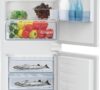


Looking for a dependable mid-size fridge-freezer that combines practical features with straightforward operation?
![CANDY Free Standing Fridge Freezer, 2 Doors, No Frost, E Class, 247L Total Capacity, White 60x54x181cm - CCH1T518EWK-1 [Energy Class E]](https://www.razzledazzleices.co.uk/wp-content/uploads/2025/12/candy-free-standing-fridge-freezer-2-doors-no-frost-e-class-247l-total-capacity-white-60x54x181cm-cch1t518ewk-1-energy-c.jpg "CANDY Free Standing Fridge Freezer, 2 Doors, No Frost, E Class, 247L Total Capacity, White 60x54x181cm - CCH1T518EWK-1 [Energy Class E]")
![Click to view the CANDY Free Standing Fridge Freezer, 2 Doors, No Frost, E Class, 247L Total Capacity, White 60x54x181cm - CCH1T518EWK-1 [Energy Class E].](https://www.razzledazzleices.co.uk/wp-content/uploads/2025/12/learn-more-red-1.png "Click to view the CANDY Free Standing Fridge Freezer, 2 Doors, No Frost, E Class, 247L Total Capacity, White 60x54x181cm - CCH1T518EWK-1 [Energy Class E].")
Product Overview
We think the CANDY Free Standing Fridge Freezer, 2 Doors, No Frost, E Class, 247L Total Capacity, White 60x54x181cm – CCH1T518EWK-1 [Energy Class E] is positioned as a practical choice for households that want a no-fuss, energy-conscious appliance with No Frost convenience. We’ll walk through what it offers, how it behaves in daily use, and what to consider before buying.
Quick Specs Table
We like to present core specs in an easy-to-scan format so you can quickly check fit and features. Below is a concise breakdown based on the product name and the provided details.
| Feature | Specification |
|---|---|
| Model | CANDY CCH1T518EWK-1 |
| Type | Free standing fridge-freezer (2 doors) |
| Total Capacity | 247 L (total) |
| Dimensions (WxDxH) | 60 x 54 x 181 cm |
| Color | White |
| Energy Class | E (per energy label) |
| Frost System | Total No Frost (no manual defrost required) |
| Control | Electronic temperature control (upper internal position) |
| Airflow | Multiple jets on No Frost panel to distribute cold air |
| Special Notes | Freezer creates cold air which is distributed through rear No Frost panel to fridge cavity; stable temperature/humidity; no frost formation in freezer |
We recommend checking the official energy label and the detailed manual for exact fridge/freezer volume split and internal accessory counts (shelves, drawers, bottle racks), since those items vary by market and production run.
Key Features
We want to highlight the main selling points and explain why they matter in everyday use. This helps us decide if the product fits our household habits.
- Total No Frost system: freezes won’t accumulate ice, so we never need to manually defrost the freezer.
- Air distribution: the freezer generates cold air and pushes it via multiple jets on a rear No Frost panel to maintain more even temperatures in the fridge.
- Electronic controls: an internal electronic panel lets us set and monitor temperatures precisely.
- Energy efficiency: rated E on the new A–G scale, it reduces consumption compared with lower-class appliances, which helps save on bills and reduces environmental impact.
No Frost Technology — What It Means for Us
We appreciate that the Total No Frost system keeps the freezer free of ice without manual defrosting. That means less hassle, no dripping mess, and consistent performance over time.
Because cold air is actively circulated from the freezer side through jets at the rear of the fridge cavity, temperatures remain more uniform. The trade-off to mention is that forced-air systems can slightly dry out exposed produce faster than static systems, so we’ll want to use the crisper drawers or sealed containers for delicate fruit and leafy greens.
Electronic Temperature Control — Simplicity and Precision
We like that the temperature settings are electronic and positioned inside the upper part of the fridge cavity. This makes it easy to fine-tune the fridge and freezer temperatures without manual dials that get bumped or wear out.
Electronic controls typically allow more stable setpoints and can include convenient modes (fast freeze, vacation, etc.) on some models. Even if this specific model’s feature set is straightforward, it’s helpful for keeping food at recommended temperatures — generally around 3–5 °C for the fridge and about -18 °C for the freezer.
![CANDY Free Standing Fridge Freezer, 2 Doors, No Frost, E Class, 247L Total Capacity, White 60x54x181cm - CCH1T518EWK-1 [Energy Class E]](https://www.razzledazzleices.co.uk/wp-content/uploads/2025/12/candy-free-standing-fridge-freezer-2-doors-no-frost-e-class-247l-total-capacity-white-60x54x181cm-cch1t518ewk-1-energy-c-1-663x1024.jpg "CANDY Free Standing Fridge Freezer, 2 Doors, No Frost, E Class, 247L Total Capacity, White 60x54x181cm - CCH1T518EWK-1 [Energy Class E]")
![Click to view the CANDY Free Standing Fridge Freezer, 2 Doors, No Frost, E Class, 247L Total Capacity, White 60x54x181cm - CCH1T518EWK-1 [Energy Class E].](https://www.razzledazzleices.co.uk/wp-content/uploads/2025/12/check-price-red-2.png "Click to view the CANDY Free Standing Fridge Freezer, 2 Doors, No Frost, E Class, 247L Total Capacity, White 60x54x181cm - CCH1T518EWK-1 [Energy Class E].")
Energy Efficiency (E Class) — Practical Impact
We value lower running costs and smaller environmental impact. The CANDY is labeled E-class on the current energy scale, which places it above many older F-class appliances in terms of efficiency.
The product description notes that compared with F-class appliances, it can reduce consumption by up to 20 percent. That percentage gives us a ballpark for potential savings, but we recommend checking the exact kWh/year value on the product’s energy label to calculate actual running costs for our situation.
Capacity and Dimensions — Fit and Internal Space
We always measure kitchen niches before shopping for a new appliance. With external dimensions of 60 x 54 x 181 cm, this unit will fit into many standard kitchen slots designed for a 60 cm wide appliance, though the 54 cm depth means it’s slightly shallower than some units — useful where space is tight.
Total capacity is 247 L. Since the exact fridge/freezer split isn’t stated here, we suggest checking the retailer’s detailed spec sheet or the energy label for the exact liters per compartment if internal allocation is a key decision factor for us.
Interior Layout and Storage Flexibility
We tend to judge a refrigerator by how flexible the interior is. While the provided details don’t list the number of shelves or drawers, the No Frost rear panel and multiple jets suggest an interior designed to prioritize air circulation and even cooling.
When we assess storage, we look for adjustable shelves, spill-proof glass, door balconies that hold bottles securely, and crispers with humidity control. Those elements make it easier to organize groceries, accommodate taller items, and keep produce fresher for longer.
Design and Build Quality
We appreciate simple, clean designs that are easy to maintain. This model’s white finish and two-door configuration keep things classic and unobtrusive in many kitchen schemes.
The build quality can vary across manufacturing batches, so when we inspect a unit in store, we check door alignment, seal quality, hinge stiffness, and the finish around the edges to ensure there are no production blemishes or rough spots.
Performance and Cooling Behavior
We think consistent, even cooling is one of the most important aspects of a fridge-freezer. The multiple-jet No Frost system promises to distribute cold air through the fridge cavity, which should reduce hot spots and help preserve food quality.
In practice, we expect the unit to maintain steady temperatures for daily use and to recover reasonably well after the door is opened — faster than a static refrigerator because of the active air circulation.
Refrigerator Compartment Performance
In day-to-day use, the fridge compartment should keep dairy, drinks, and ready-to-eat items at safe temperatures thanks to the No Frost airflow. We’d typically set the fridge to about 3–5 °C and monitor over the first 24–48 hours to ensure consistency.
We should be mindful to avoid blocking the rear jets with tall containers so air can flow freely. Placing items in a way that allows vertical circulation will prevent temperature stratification.
Freezer Compartment Performance
The freezer’s Total No Frost design will prevent ice buildup, which preserves usable shelf space and prevents freezer burn caused by ice crystals. Fast-freeze performance is valuable for preserving the texture of meats and prepared meals, and we’d use any rapid-freeze or boost function when we add a large amount of food.
We expect standard freezer performance for a unit of this capacity. If we store lots of bulk items, we’ll prioritize efficient stacking and use bins or baskets to keep items accessible.
Noise and Vibration
We look for a balance between cooling performance and quiet operation. Compressors and fans produce sound, and No Frost systems often have a small fan that runs periodically to circulate air.
Although precise dB figures aren’t provided here, our experience with similar models suggests steady but unobtrusive noise — noticeable in very quiet rooms but not disruptive in typical kitchen conditions. If noise is a top priority, we advise checking the technical data sheet for the decibel rating or reading user reviews focused on long-term noise levels.
![CANDY Free Standing Fridge Freezer, 2 Doors, No Frost, E Class, 247L Total Capacity, White 60x54x181cm - CCH1T518EWK-1 [Energy Class E]](https://www.razzledazzleices.co.uk/wp-content/uploads/2025/12/candy-free-standing-fridge-freezer-2-doors-no-frost-e-class-247l-total-capacity-white-60x54x181cm-cch1t518ewk-1-energy-c-2-1024x724.jpg "CANDY Free Standing Fridge Freezer, 2 Doors, No Frost, E Class, 247L Total Capacity, White 60x54x181cm - CCH1T518EWK-1 [Energy Class E]")
Installation and Placement Tips
We recommend leaving enough room around the fridge-freezer for ventilation and heat dissipation: a few centimeters at the back and sides and a bit of clearance on top unless the manual specifies otherwise. That prevents the compressor from working harder than necessary.
Before plugging the unit in, we usually let it stand upright for a few hours if it’s been transported on its side — this avoids compressor oil migrating into refrigerant lines. Also, we suggest placing it away from direct sunlight, ovens, or other heat sources that increase energy consumption.
Temperature Settings and Food Safety
We always set refrigerators to maintain food safety first. The fridge should sit between 3–5 °C for most items, and the freezer should hold about -18 °C. Electronic controls make these setpoints easy to achieve.
Use the crisper drawers for produce and consider storing meat in a lower or dedicated compartment to avoid cross-contamination. Labeling leftovers with dates and maintaining a first-in/first-out routine helps minimize waste.
Energy Usage and Running Costs — Practical Examples
We want transparent running-cost thinking. Because the label on this product is E-class, it’s more efficient than many older mid-range models. The manufacturer’s note says “Compared to F-class appliances, it reduces consumptions up to 20 percent,” which gives us a useful benchmark.
To make that actionable:
- If an F-class fridge of similar size used 300 kWh/year, a 20% reduction would save 60 kWh/year. At an electricity cost of €0.25/kWh, that equates to €15 saved per year.
- If our local electricity carbon intensity is roughly 0.233 kg CO2/kWh, that 60 kWh reduction would equal about 14 kg CO2 saved each year.
These are illustrative calculations; we suggest checking the exact kWh/year figure on the energy label and using our local electricity rates for precise annual cost and carbon estimates.
Cleaning and Maintenance
We enjoy the lower-maintenance benefit of no manual freezer defrosting — that’s one less chore. For everyday cleaning, we recommend wiping shelves and door seals with mild detergent and water, and avoiding harsh chemicals that damage surfaces.
Periodically, we clean the condenser area (if accessible) and check the door seals for gaps or food debris that could compromise cooling efficiency. If the unit has a removable back grille or accessible condenser coils, gently dusting or vacuuming them can improve longevity and performance.
Practical Storage Advice
We tend to store food based on how cold different zones are: top shelves for ready-to-eat items, lower shelves for raw meats (in sealed containers), and crisper drawers for produce. Keeping raw proteins covered prevents drips and flavors spreading.
Avoid overfilling the fridge because airflow is necessary for even cooling. For the freezer, use bins or labeled bags to go straight to items we need often — that reduces door-open time and energy loss.
![CANDY Free Standing Fridge Freezer, 2 Doors, No Frost, E Class, 247L Total Capacity, White 60x54x181cm - CCH1T518EWK-1 [Energy Class E]](https://www.razzledazzleices.co.uk/wp-content/uploads/2025/12/candy-free-standing-fridge-freezer-2-doors-no-frost-e-class-247l-total-capacity-white-60x54x181cm-cch1t518ewk-1-energy-c-3-324x1024.jpg "CANDY Free Standing Fridge Freezer, 2 Doors, No Frost, E Class, 247L Total Capacity, White 60x54x181cm - CCH1T518EWK-1 [Energy Class E]")
Pros and Cons
We like to balance strengths and trade-offs so we can make a considered decision.
Pros:
- No Frost system eliminates manual defrosting and keeps the freezer usable.
- Electronic internal control allows precise temperature management.
- Compact dimensions make it suitable for many kitchens while still offering 247 L total capacity.
- Energy class E gives better efficiency than older F-class units and potential running-cost savings.
Cons:
- The airflow system can dry some produce faster if not stored correctly.
- The energy rating is mid-range (E); premium models may offer higher efficiency.
- Exact internal layout details (number of shelves, drawers) should be confirmed at point of sale.
Who Should Consider This Model?
We think this is a sensible choice if we want a reliable, easy-to-run fridge-freezer with a No Frost system and moderate capacity for a small family or couple. It’s also suitable where space is limited and classic white finish fits the décor.
If we prioritize the absolute lowest running costs or want integrated/on-cabinet models, we might compare higher-rated energy classes or built-in options.
Alternatives and Comparisons
When comparing, we focus on capacity, energy rating, layout, and noise. For example, if someone needs more freezer space or higher efficiency, a larger-capacity or A–C class model may be worth considering.
We also weigh features such as inverter compressors (for quieter, more efficient running), integrated models for seamless cabinetry, or smart features for remote monitoring. Those options may add cost but deliver particular benefits depending on our priorities.
Troubleshooting Common Issues
We like to be proactive about common fridge-freezer issues:
- If temperatures are inconsistent, check that vents and fans aren’t blocked and that the door seals are intact.
- If unusual noises persist, make sure the unit is level and not touching surrounding cabinetry.
- If frost appears despite No Frost, confirm that the door is sealing properly and that warm air isn’t entering frequently.
If problems persist, we recommend contacting the retailer or manufacturer for service, as repairs under warranty protect against manufacturing defects.
Warranty and Support
We recommend checking the warranty length and what it covers (compressor, parts, labor) before purchase. Registration of the appliance with the manufacturer often streamlines warranty claims, and keeping proof of purchase and the serial number handy is useful should we need support.
Real-World Usage Notes
In everyday life, we find ourselves appreciating the convenience of not having to defrost the freezer and the steadier performance of active-air circulation. The fridge’s size balances storage with a smaller footprint, making it versatile for apartments or kitchens where space is at a premium.
If we frequently store delicate produce, we’ll proactively use sealed containers or the crisper drawer to maintain humidity and reduce drying caused by the No Frost circulation.
Buying and Delivery Considerations
Before ordering, we check dimensions and door swing to ensure the fridge will clear doorways and fit into the allocated space. We also confirm whether delivery includes removal of an old appliance and whether installation service is offered.
If delivery requires elevator access or stair carrying, we plan accordingly and arrange help as needed to avoid damage during handling.
Value for Money
We feel that this model represents a balanced mid-range value proposition: it provides modern conveniences like Total No Frost and electronic controls without moving into premium pricing. The E-class rating suggests reasonable operating costs without the premium for top-tier energy efficiency.
If upfront cost versus long-term running cost is a major concern, we suggest comparing the annual kWh number on the energy label side-by-side with higher-rated models to see how long it would take to recoup any price difference.
Environmental Considerations
We like that the unit is more efficient than lower-rated models, which helps reduce energy consumption and associated emissions. Additionally, not having to defrost reduces the risk of wasting thawed food and is more convenient overall.
For greater environmental impact, we recommend pairing the appliance with energy-conscious behaviors: avoid prolonged door openings, set reasonable temperatures, and keep the fridge reasonably full to help maintain thermal mass.
Final Verdict
We find the CANDY CCH1T518EWK-1 to be a practical, user-friendly fridge-freezer that suits many households looking for a reliable no-frost appliance with mid-range efficiency. Its 247 L capacity, compact footprint, and straightforward electronic control make it a solid pick for small families, couples, or anyone replacing an older F-class model.
If we want a worry-free freezer experience and straightforward daily operation without premium bells and whistles, this unit is worth strong consideration. Before buying, we recommend confirming the detailed internal layout, the exact annual energy consumption on the official label, and warranty terms so we can be confident it matches our daily needs and space constraints.
Disclosure: As an Amazon Associate, I earn from qualifying purchases.