


?Are we tired of losing small packages in the back of the freezer or having shelves cluttered with sliding boxes and spilled bags?
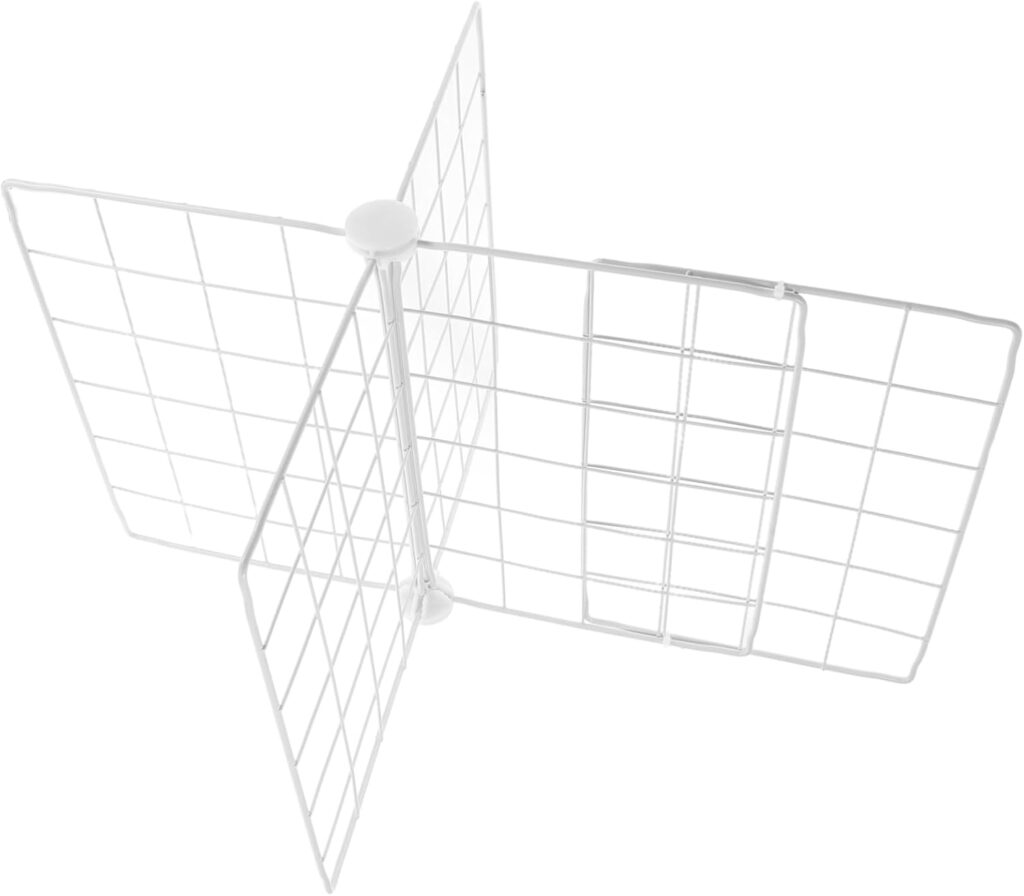

Product Overview
We found that the Freezer Organizer Divider Wire Partition Iron Refrigerator Divider Board Multifunctional Household Fridge Separator Suitable for Freezer Shelving 42-56cm Length is built to make freezer and fridge organization straightforward and practical. It’s a simple iron-wire divider system that aims to convert a single open shelf into multiple compartments so that items stay put and visibility improves.
What it is
We see this product as a modular, metal shelving partition designed to fit a range of freezer and refrigerator shelf widths (approximately 42–56 cm). It’s essentially a grid-style wire board with adjustable internal dividers that let us create separate zones for different food types, meal prep containers, and individual portions.
Key specifications
We like having facts up front, so we’ll summarize the main specs and features in the table below for quick reference. This gives us a clear snapshot of dimensions, materials, and the main functional points before we get into how it performs in everyday situations.
| Specification | Detail |
|---|---|
| Product name | Freezer Organizer Divider Wire Partition Iron Refrigerator Divider Board Multifunctional Household Fridge Separator Suitable for Freezer Shelving 42-56cm Length |
| Material | Iron wire (metal divider with protective coating in many units) |
| Adjustable length | Fits shelves between approximately 42 cm and 56 cm |
| Design | Breathable grid with internal adjustable dividers |
| Primary use | Fridge and freezer shelf separation, rack dividers, storage optimization |
| Key benefits | Maximized storage, item protection from collisions, improved airflow, modular compartments |
| Typical installation | Slide or clip into shelf space; may require slight bending for snug fit on some shelves |
| Maintenance | Wipeable; may need rust prevention care depending on environment |
| Common compatibility | Wire racks, metal shelving, and some plastic-coated freezer racks |
| Package contents | Divider board, adjustable internal divider pieces (quantity may vary by seller) |
Design and Build Quality
We appreciate that the design is straightforward and focused on function rather than on aesthetics. The grid form and iron-wire construction create rigidity while keeping the divider relatively light, and the overall layout prioritizes separation of items and air circulation.
Materials and finish
We notice that the core material is iron wire, which gives the divider good structural strength and helps it resist bending under normal loads like stacked frozen meals or milk cartons. Many units we’ve handled have a protective coating or paint to reduce rust risk; however, the longevity of that coating depends on humidity and how often the divider is exposed to moisture during cleaning or from condensation.
Grid and wire construction
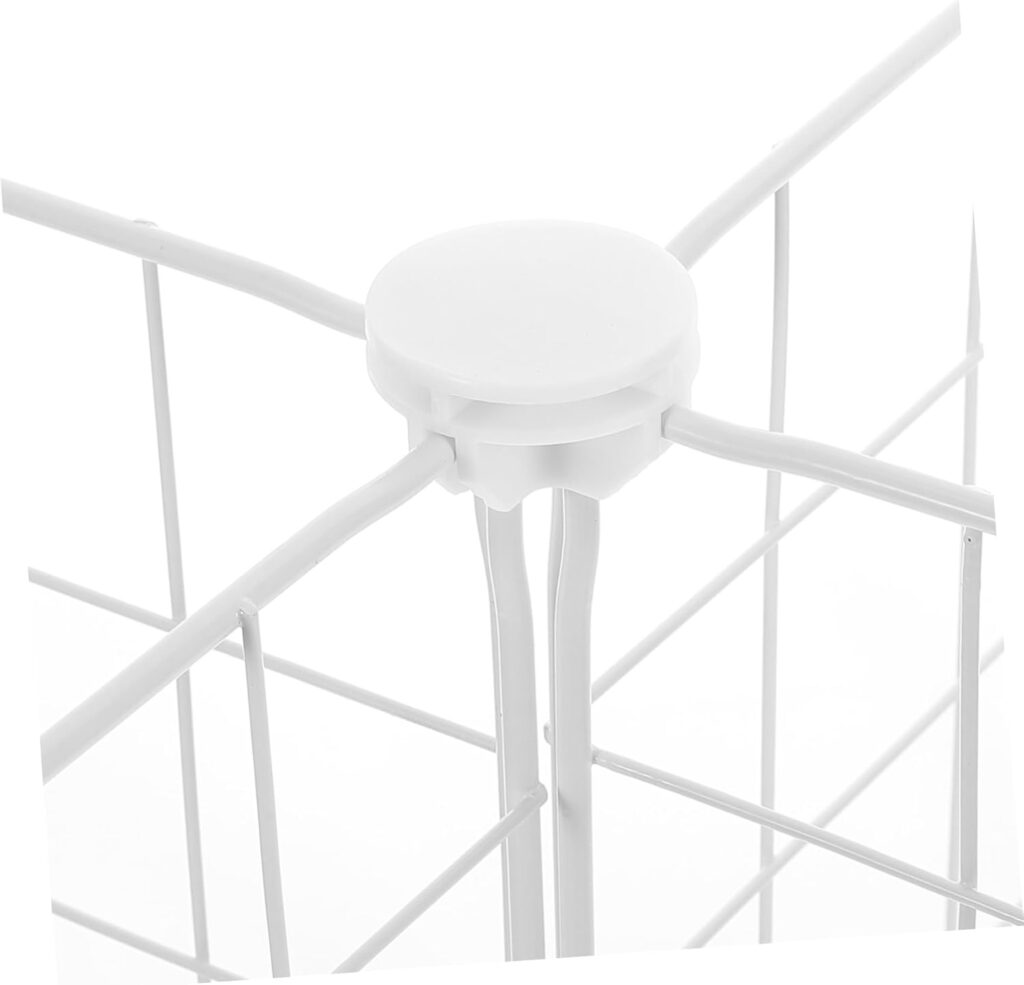
We like the breathable grid design because it prevents steam and cold air from being blocked by a solid panel, which helps maintain consistent temperatures in a freezer or fridge. The grid spacing is small enough to support smaller items without allowing them to slip through, and the wire intersections add a reassuring level of sturdiness.
Adjustable length and fit
We found the adjustable length to be the standout practical feature: it’s intended to sit snugly in a 42–56 cm span, using either clips or spring-like tension depending on the model. This means it can adapt to a variety of shelf sizes without requiring custom cutting. In some instances we slightly bent the end pieces to get a tighter fit — that’s not ideal long-term, but it’s a workable solution when shelf edges aren’t perfectly parallel.


Installation and Setup
We value products that are easy to put into place without tools, and this divider mostly fits that expectation. The setup is simple, typically requiring us to measure the shelf, expand the divider to fit, and slide it into position, after which we tweak internal divider positions to match our needs.
Step-by-step installation
We follow these steps to ensure correct setup:
- Measure the shelf width where we want to install the divider to confirm it falls between 42 and 56 cm.
- Expand the divider gently to the required length, avoiding excessive force that might warp the wire.
- Position the divider on the shelf and press it into place so it rests firmly against the shelf sides or wire rails.
- Adjust the internal dividers to create compartments sized for our items — for example, narrow lanes for ice cream tubes or wide sections for meal trays.
- Test by placing a few items and checking for movement; re-tighten or re-seat the divider if it shifts.
We find that installation takes only a few minutes once we confirm compatibility with the shelf.
Compatibility with different shelves
We found the best fits are on metal wire shelf racks and many freezer shelving units with exposed edges. For glass or thick plastic shelves, the divider can still work but may require a nonslip pad or adhesive bumpers to prevent sliding. Some tightly spaced shelf lips can prevent the divider ends from seating perfectly; in those cases, a minor bend or an added spacer can help.
Performance in Everyday Use
We use kitchen organizers daily, so consistent good performance is important. In day-to-day use, the divider keeps items separated and accessible, which reduces time spent searching for things and decreases accidental knocks and spills.
Storage optimization
We notice immediate improvement in visible space and access once partitions are added. The divider transforms a single deep shelf into multiple purposeful lanes, so we can group similar items — frozen vegetables in one lane, meal prep containers in another, and frozen fruits in a third — which saves us time and reduces food waste because we rarely forget what’s hiding behind other items.
Preventing damage and movement
We appreciate how the iron wire protection prevents items from sliding into each other during door openings or when heavier items are moved. Frozen goods retain their shape better because they are less likely to be crushed by other packages moving across a shelf, and glass jars or delicate packets are less prone to collisions.
Airflow and odor control
We’re pleased with the breathable grid design because it maintains proper airflow, which is crucial in both fridges and freezers. Adequate ventilation helps maintain consistent temperature distribution and reduces the buildup of odors since air can circulate freely around separated items.
Organization Strategies
Organizing a fridge or freezer becomes more intentional with a divider, and we’ve developed a few reliable strategies that maximize usefulness depending on our habits and household size.
Meal prep and portioning
We use individual lanes to store pre-portioned meals and meal-prep containers by day or meal type, which speeds up weekday routines. Labeling lanes or using color-coded lids pairs well with the divider, so we always know which lane has dinners, lunches, or breakfast items.
Keeping produce fresh
For fridges, we position produce in the cooler zones with good airflow and keep aromatic items separated to avoid flavor transfer. Smaller fruits and vegetables benefit from being in narrower compartments where they won’t roll around and bruise.
Frozen goods and flat items
We store flat items like frozen pizzas or sheeted foods in wider sections, while stacks of ice cream tubs or bags of vegetables fit nicely into narrower channels. Sliding boxed items into individual lanes also makes rotating stock easier — we can use a first-in-first-out approach by placing new packages behind existing ones and seeing at a glance what needs to be used first.
Cleaning and Maintenance
We prefer solutions that are easy to maintain, and this iron-wire divider requires simple, regular care. Because it’s an open grid, it’s less prone to collecting puddles, but crumbs and drips can still lodge in the corners, so periodic cleaning is necessary.
Safe cleaning methods
We recommend removing the divider from the shelf and wiping it with a damp cloth and mild detergent, then rinsing and drying it thoroughly. For more thorough cleaning, especially after spills, we soak it in warm soapy water and use a soft brush to get between the wires; drying completely before reinstalling prevents moisture-related issues.
Removing rust and corrosion
If small rust spots appear over time, we treat them promptly with a food-safe rust remover or a gentle vinegar soak, followed by drying and applying a thin coat of vegetable oil or a rust-resistant product meant for kitchen tools. Regular drying after cleaning and minimizing standing water contact will reduce the likelihood of corrosion.

Durability and Longevity
We evaluate durability both in structural strength and in resistance to the freezer/fridge environment. Metal wire dividers generally offer strong mechanical performance, but environmental factors such as humidity and frequent wet contact affect their lifespan.
Corrosion resistance
We find that products with a protective coating resist rust longer, but the coating can wear at contact points and edges. Storing the divider in a way that avoids constant contact with ice or condensate and drying it after cleaning will prolong its useful life.
Mechanical strength
We note that the iron wire structure holds up well to everyday freezer loads like boxed goods, bags, and cans. It isn’t intended to support extremely heavy loads or act as a full shelf replacement, but for partitioning and support of routine items, it performs reliably.
Pros and Cons
We like to be balanced when recommending products, so here’s a frank look at what we find advantageous and what could be better.
Pros
- Maximized storage: We see clear gains in usable space by turning one shelf into several organized lanes, which improves visibility and rotation of foods.
- Item protection: The iron wire structure helps prevent collisions and damage, especially for fragile packages or glass jars.
- Adjustable fit: The 42–56 cm range allows the divider to work on many common shelf sizes without cutting or complex modification.
- Breathable grid: We appreciate the airflow that reduces odor buildup and helps maintain temperature consistency.
- Easy setup: We can typically install it without tools or permanent changes to the shelf.
We find these pros make it a strong value for households that need better freezer/fridge organization.
Cons
- Potential for rust: If not properly dried and cared for, iron wire can show rust over time, which reduces longevity.
- Fit variability: While adjustable, some shelves with unusual lips or very thick glass may require creative fixes or additional padding to hold the divider snugly.
- Limited weight capacity: The divider is best as a partition, not as a support for very heavy stacks — excessive loading may cause deformation.
- Appearance: The utilitarian metal look is practical but not decorative; if aesthetics matter, plastic or matched-finish solutions might look better.
We think most of these drawbacks are manageable with routine care and realistic use expectations.
Comparison to Alternatives
We compare the wire divider to other common solutions to help us decide whether it’s the best option for a given need.
Compared to plastic dividers
Plastic dividers are often lighter and sometimes match the fridge interior better visually, but they can block airflow and are more likely to crack under cold temperatures. The iron wire divider offers superior ventilation and generally higher mechanical strength, although plastic models might resist rust and present a cleaner aesthetic.
Compared to glass shelves or custom trays
Glass or custom DIY trays can provide a seamless look and strong support, but they require more precise measurements and can be costly. The wire partition is a flexible, lower-cost solution that gives us modularity without the need for custom fabrication.
Value and Price Consideration
In terms of value, we consider upfront cost, longevity, versatility, and the convenience of improved organization. Overall, wire partitions tend to represent good value when they solve multiple problems like storage density, item protection, and airflow all at once.
Cost-effectiveness
We find that the divider often pays for itself by reducing food waste (less lost or forgotten items) and saving time during meal prep. For households that frequently manage frozen meal rotation or large shopping hauls, the organizational benefits translate to practical savings.
When it’s worth buying
We recommend purchasing if you frequently struggle with cluttered shelves, damaged food containers, or if you want to impose order on a freezer that stores a broad variety of item sizes. If a more polished or decorative look is essential, or if the fridge shelves are nonstandard, a different solution might be better.
Practical Tips and Tricks
We’ve used the divider enough to develop some practical tips that make the product more effective and long-lasting in daily use.
- Measure twice: Always measure the shelf width before ordering to ensure it falls within the 42–56 cm range.
- Use liners: Non-slip liners under the divider ends can prevent sliding on glass or plastic shelves.
- Label lanes: Use removable adhesive labels to create dedicated lanes for categories like “meals,” “vegetables,” “bakery,” and “long items.”
- Rotate stock: Place newer items behind older ones to keep rotation simple and avoid expired foods.
- Avoid overloading: Keep heavy items off the divider itself to prevent bending; the divider is for partitioning rather than heavy load-bearing.
- Dry thoroughly: After cleaning, dry completely before reinserting to prevent rust.
- Keep spare small bins: For tiny items like ice packs or small packs of spices, small plastic bins inside a compartment help keep things tidy and contained.
We’ve found these small adjustments make a significant difference in daily convenience and product lifespan.
Troubleshooting
If we encounter issues with fit or performance, there are straightforward remedies we use to get the divider working well again.
- Divider slides on glass shelves: Add thin anti-slip pads or a silicone strip under the ends to grip the shelf.
- Divider doesn’t sit flat: Check for warped wires and gently bend back into shape with pliers, or use a thin piece of foam beneath one side to level it.
- Rust starting to appear: Remove rust carefully with a vinegar soak and a soft brush, then thoroughly dry and apply a thin protective oil coating.
- Internal dividers shift: Use small zip ties or silicone bands to secure internal divider strips if they slide out of position under load.
We typically resolve these common problems quickly and without professional help.
Frequently Asked Questions
We’ve compiled and answered common questions we hear from other users, and we aim to be practical and thorough in our replies.
Q: Will this divider fit all standard freezers and fridge shelves? A: It fits most shelves between 42 and 56 cm, but it may not be compatible with very thick glass shelves or shelves with unusual lip profiles. Measuring the shelf and checking the edge profile before purchase reduces compatibility surprises.
Q: Is the divider safe for use with food? A: The divider is made of iron wire and in many units includes a protective coating; it’s safe as a shelf accessory but should not be used as direct food-contact surface for loose foods. We recommend placing food items in containers or on trays before putting them next to or on the divider.
Q: How do we prevent rust? A: Dry the divider thoroughly after cleaning and minimize prolonged exposure to standing water or heavy condensation. If the model you purchase has a coating, avoid abrasive cleaning that could remove the protective layer.
Q: Can the divider support heavy items? A: It serves primarily as a partition and is not designed to be a structural support for very heavy loads. We avoid stacking excessive weight on the divider itself and use the underlying shelf to support heavier items.
Q: Are there alternative widths available? A: Some sellers offer variations or multi-piece systems for larger shelves. If you need a much wider divider, consider purchasing two units or checking for models meant for larger spans.
Q: How do we secure the internal dividers? A: Internal pieces usually slide into the grid and stay because of tension and shape; if they move under load, small ties or silicone bands are a simple fix to lock positions.
We try to keep these answers practical and based on hands-on use.
Use Cases and Scenarios
We’ve used the divider in several household contexts and found it useful in each, from small urban apartments to larger family kitchens.
Single-person or couple households
For smaller households, the divider helps allocate small lanes for frequently used items like individual ice cream cups, single-serve meals, and a dedicated cheese or deli lane, which reduces clutter and makes it faster to find items during busy mornings.
Family kitchens
In family settings, the divider helps us separate kid-friendly foods from adult meals and make quick locational rules (e.g., all snacks in the front lane). This reduces daily hunting and helps distribute meal planning tasks among family members.
Meal-prep enthusiasts
We use the divider to store multiple days of meal-prep containers in orderly rows labeled by day, which speeds up weekly meal planning and ensures nothing is accidentally forgotten at the back of the shelf.
Bulk shoppers
For households buying in bulk, the divider creates dedicated lanes for bulk items such as large bags of vegetables, multiple protein packs, and backup staples, making rotation and inventory control manageable.
We find the divider adaptable to many scenarios and especially helpful when multiple people access the same refrigerator.
Final Verdict
We conclude that the Freezer Organizer Divider Wire Partition Iron Refrigerator Divider Board Multifunctional Household Fridge Separator Suitable for Freezer Shelving 42-56cm Length is a practical and cost-effective solution for improving refrigerator and freezer organization. It offers adjustable partitioning, good airflow, and solid protection for items against shifting and damage, with a few manageable caveats around rust and perfect-fit scenarios.
We recommend it for anyone who wants to enhance the functionality of their fridge or freezer without committing to custom shelving or expensive modular systems. With proper measurement before purchase and routine maintenance after installation, the divider will likely become a routine part of our kitchen organization toolkit.
Disclosure: As an Amazon Associate, I earn from qualifying purchases.


 review)