

Have we ever wished our kitchen felt more organised, quieter, and easier to manage without spending a fortune on a premium brand?

Our Overall Thoughts on the Hisense RB327N4BCE
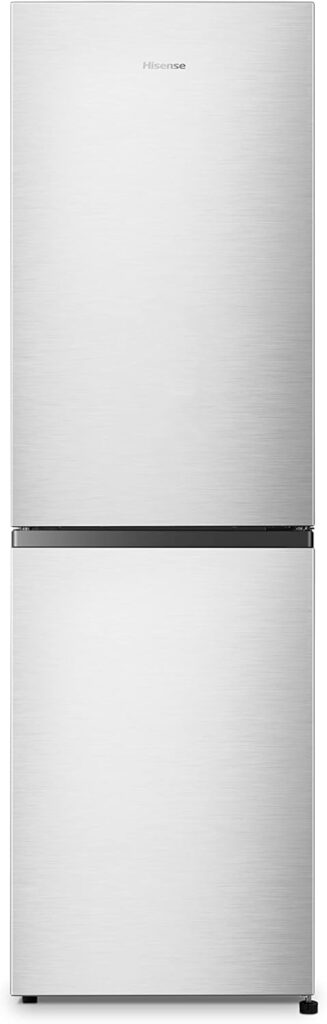
We see the Hisense RB327N4BCE 256L Freestanding Fridge Freezer as a practical, modern, and space‑saving appliance that punches above its weight for everyday household use. It packs sensible capacity, frost free technology, and a sleek stainless steel finish into a relatively slim body that suits many UK kitchens and flats.
We think this model is best suited for couples, small families, or shared households who want reliability, neat storage, and low‑maintenance performance rather than flashy extras. It feels like a fridge freezer made for real life, not just showroom photos.
Key Specifications at a Glance
Before we get into how it feels to live with this fridge freezer, we find it helpful to have the essentials laid out clearly. The Hisense RB327N4BCE is a 256L total capacity freestanding model with a stainless steel look and a tall, slim profile.
Here’s a quick summary of the main specs:
| Feature | Specification |
|---|---|
| Brand & Model | Hisense RB327N4BCE |
| Type | Freestanding fridge freezer |
| Finish | Stainless steel |
| Height | 1824 mm |
| Width | 550 mm |
| Depth | 562 mm |
| Total Capacity | 256 L |
| Fridge Capacity | 171 L |
| Freezer Capacity | 85 L |
| Fridge/Freezer Layout | Fridge on top, freezer on bottom |
| Energy Rating | E |
| Noise Level | 41 dB |
| Frost Free | Yes (no manual defrosting) |
| Climate & Use | Everyday home use, year‑round |
We like seeing everything in one place because it quickly tells us if the appliance will physically fit our space and match the way we shop, cook, and store food.
Design and Build Quality
Exterior Styling and Finish
We find the stainless steel finish one of the biggest visual strengths of this model. It gives our kitchen a modern, slightly premium look without a sky‑high price tag. It blends easily with other stainless steel appliances like ovens, hobs, and dishwashers, which helps create a cohesive feel.
The tall, slim shape (550 mm wide) works particularly well in narrower kitchens, galley layouts, or flats where every centimetre matters. Rather than going wide, Hisense has gone tall, which is usually more practical in tight spaces.
Doors, Handles, and Usability
The doors feel sturdy enough for everyday use. We like that the fridge section sits at the top and the freezer at the bottom, because we tend to open the fridge much more often than the freezer. Having frequently used items at eye level saves us bending down all the time.
The door handles are integrated into the design rather than sticking out, which keeps the front clean and reduces the risk of knocking into something in a narrow kitchen. That also helps if our fridge freezer sits next to a walkway or near a door.
Overall Build Impression
We would describe the build quality as solid mid‑range. It doesn’t feel flimsy or cheap, but it’s also not trying to be ultra‑luxury. For everyday home use, it feels more than adequate, with a focus on durability and practicality over flashy detailing.
Capacity and Storage: Is 256L Enough?
Who This Size Suits Best
With 171L of fridge space and 85L of freezer space, this fridge freezer is clearly designed with smaller households in mind. We think it works very well for:
- Couples who cook regularly
- Small families (up to 3 people)
- Two or three housemates sharing
- Those who shop once or twice a week rather than in bulk
If we regularly buy huge weekly shops for a big family or love batch cooking and freezing everything, we may find the 85L freezer section a bit limiting. But for typical groceries, leftovers, and a reasonable amount of frozen food, it’s well judged.
Fridge Space (171L): Everyday Practicality
The 171L fridge compartment offers a nice balance of shelves, door balconies, and drawer space. It’s not cavernous, but it’s laid out to maximise every bit of space, which matters more than raw litres in daily life.
We find it suitable for:
- Fresh produce for the week
- Dairy and meats
- Condiments and jars
- Drinks, juices, and a few bottles
- Leftovers and meal preps in containers
Because the fridge is on top, it’s naturally easier to see and reach everything, which often helps reduce food waste. When food is in our line of sight, we actually remember to use it.
Freezer Space (85L): Sensible but Not Massive
The 85L freezer is enough for:
- A good selection of frozen vegetables, chips, and ready meals
- Some meat or fish for the week
- Ice cream and desserts
- A few containers of leftovers or batch‑cooked meals
It suits us if we freeze thoughtfully rather than fill it with rarely used items. If we rely heavily on frozen storage or like to buy meat in bulk for the month, we may want either a larger fridge freezer or an additional chest freezer elsewhere.
Interior Layout: Using the Space Efficiently
Fridge Layout and Shelving
Inside the fridge, we typically find several adjustable glass shelves, a crisper drawer, and door balconies. The glass shelves are easy to wipe clean and help us see spills or drips quickly, which makes keeping things tidy far less of a hassle.
We like that shelves can be adjusted in height, so if we buy a taller jug or store a large pot of soup, we can rearrange things rather than forcing items in at odd angles. Flexible shelving matters more over time than we might expect.
Door Storage and Bottles
The door balconies are great for milk, juice, condiments, sauces, and jars. Having multiple shelves lets us keep smaller items like jars and spreads separate from larger bottles, which makes it easier to find what we need at a glance.
We particularly appreciate the usual tall bottle space at the bottom of the door, which fits standard milk bottles and drink cartons upright. That’s a tiny detail that makes a real difference when we’re rearranging weekly groceries.
Crisper Drawer and Fresh Food
The dedicated crisper drawer gives us a clearly defined space for fruits and vegetables. This helps in two ways: it keeps produce separate from other foods to avoid squashing, and it provides a more stable environment for humidity and temperature, which can help keep food fresher for longer.
We like being able to open one drawer and see most of our fresh produce at once. It makes planning meals around what needs using up much easier.
Freezer Compartment Organisation
In the freezer, we usually get separate drawers. These help us split items into categories, such as:
- Everyday frozen veg and chips
- Raw meats and fish
- Ready meals and leftovers
- Ice cream and treats
Being able to slide a drawer out to see everything at once is far more convenient than rummaging through an open compartment. It also reduces the time the door is open, which helps maintain the internal temperature.

Frost Free Technology: Why It Matters
No More Manual Defrosting
Frost free technology is one of those features that we quickly take for granted once we have it. With this Hisense model, we do not need to defrost the freezer manually. That means:
- No more scraping ice off drawers
- No more emptying the freezer and leaving towels on the floor
- No more losing storage space to ice build‑up
We simply use the freezer without worrying about maintenance other than occasional cleaning.
Consistent Performance Over Time
By preventing ice build‑up, frost free systems help maintain consistent airflow and temperature inside the freezer. This stability is better for food quality because it reduces temperature swings and prevents items from sticking together in frozen clumps.
We also find that consistent freezing tends to keep labels visible and packaging intact, which makes it easier to identify what we’ve stored and how long it’s been there.
Energy Efficiency and Running Costs
Understanding the E Energy Rating
The Hisense RB327N4BCE carries an E energy rating under the current EU/UK labelling system, which was revised to be stricter than older labels. What used to be A+, A++ and A+++ are now compressed into the A–G scale, so an E rating is not as poor as it might initially sound.
For a mid‑sized 256L fridge freezer with frost free technology, an E rating is fairly typical. It strikes a balance between modern energy efficiency and affordability.
What That Means for Our Bills
Exact running costs will vary depending on our electricity price and usage, but we can reasonably expect this fridge freezer to be efficient enough for everyday use without any nasty surprises on our bills. It’s not a super‑premium ultra‑low energy model, but it’s comfortably in the sensible middle ground.
If we’re upgrading from a much older fridge freezer, especially one over 10–15 years old, we are likely to see some improvement in energy consumption, simply because modern compressors and insulation tend to be more efficient.
Noise Level: 41 dB in Everyday Life
How Quiet Is 41 dB?
At 41 dB, this fridge freezer sits in the “quiet background noise” range. It’s not silent, but it’s gentle enough that we can usually ignore it during everyday life. For context, 40 dB is roughly equivalent to a quiet library or a soft conversation at a distance.
We’ll still hear it occasionally when the compressor kicks in or when it cycles, but it should blend into general household noise, especially if the kitchen is its own separate room.
Living with It in Open‑Plan Spaces
If our home has an open‑plan kitchen and living room, we usually care more about noise. At 41 dB, we can watch TV, listen to music, or work nearby without feeling disturbed by the appliance.
We’d describe it as “audible but not annoying” for most open‑plan arrangements, assuming normal background sounds from daily life.
Temperature Control and Performance
Keeping Food Fresh and Safe
We expect any modern fridge freezer to keep consistent, food‑safe temperatures, and this Hisense model is no exception. The design aims to keep the fridge cool enough to slow bacterial growth and the freezer cold enough to preserve food texture and quality over time.
In daily use, that translates into:
- Milk lasting well within its use‑by date
- Vegetables staying crisp for several days
- Leftovers chilling quickly and safely
- Frozen foods remaining solid and frost‑free
We still need to use sensible storage habits, but the appliance does the heavy lifting in terms of temperature control.
Adjusting Settings for Our Needs
Adjustable temperature settings let us tune the fridge and freezer to our actual use. For example:
- If we pack the fridge quite full, we might set it slightly cooler
- If we don’t use the freezer as much, we might not need it at the lowest possible temperature
Once we find a setting that suits our shopping and cooking habits, we can usually leave it alone and trust the fridge freezer to maintain that environment with minimal fuss.
Ergonomics and Everyday Convenience
Accessing What We Use Most
We like that the fridge is at the top and the freezer at the bottom. Since we open the fridge far more often than the freezer, we spend less time bending over. The items we reach for daily—milk, butter, vegetables, leftovers—are roughly at chest or eye level.
This makes daily life more comfortable, especially if we cook frequently or have any back or knee issues that make constant bending awkward.
Visibility and Organisation
Good interior lighting and clear shelves help us see what we actually have. That reduces the chances of losing small items at the back until they expire. We find:
- Clear glass shelves offer full visibility
- Transparent freezer drawers show contents without pulling them out every time
- Door balconies keep small items like jars and condiments organised
The end result is that we spend less time rummaging, and we are more likely to use all the food we buy.
Installation and Space Considerations
Measuring Our Space
With dimensions of H: 1824 mm x W: 550 mm x D: 562 mm, this model works well in tighter kitchens where we cannot fit a wider fridge freezer. However, the height does mean we should measure carefully if we have low cabinets or shelves above the space.
We also need to leave some clearance at the back and sides for ventilation, as with any fridge freezer. Good airflow helps the compressor work efficiently and extends the lifespan of the appliance.
Freestanding Flexibility
Being a freestanding unit, we have more freedom to move it if we change the kitchen layout, move home, or decide to rearrange our appliances. There’s no need for a custom cabinet or integrated door fittings.
We find that freestanding flexibility often suits renters or anyone who expects to change homes or kitchens in the near future.
Who This Fridge Freezer Is Best For
Ideal Users and Households
We see the Hisense RB327N4BCE as a strong fit for:
- Couples who cook regularly and shop once or twice a week
- Small families with one child, or up to three people sharing
- Households that prefer fresh food with a sensible but not massive amount of frozen items
- Homes where kitchen space is narrow but vertical space is available
If we prioritise a clean stainless steel look, frost free convenience, and a quiet, mid‑sized appliance, this model aligns well with our needs.
When We Might Want Something Else
We might want to look at alternative models if:
- We have a large family and do big weekly or monthly shops
- We want a much larger freezer capacity
- We are extremely focused on the very highest energy efficiency ratings
- We want advanced extras like water dispensers, ice makers, or smart connectivity
For those scenarios, a wider, higher‑capacity model or a separate chest freezer might suit us better.
Pros and Cons in Real‑World Use
What We Appreciate Most
We think the strongest points of the Hisense RB327N4BCE are:
- Space‑efficient design: Tall and slim, fits narrow spaces well
- Balanced capacity: 171L fridge and 85L freezer for smaller households
- Stainless steel finish: Modern, neutral look that suits most kitchens
- Frost free freezer: No manual defrosting, less hassle
- Reasonably quiet: 41 dB is low enough for most homes, including many open‑plan layouts
- Practical interior layout: Adjustable shelves, crisper drawer, door storage, freezer drawers
These strengths make it easy to integrate into daily life without constant attention or adjustments.
Where We See Limitations
We also recognise a few trade‑offs:
- Freezer size: 85L may be too small for heavy freezer users
- Energy rating: E is decent but not top tier; not for those chasing the absolute lowest energy use
- No advanced extras: No built‑in water dispenser, ice maker, or smart features
- Mid‑range build feel: Solid and practical, but not luxury‑grade in materials or detailing
For most everyday users, these trade‑offs are acceptable and in line with the price and positioning of the appliance.
Cleaning and Maintenance
Keeping the Fridge Fresh
Cleaning the fridge is usually as simple as:
- Removing glass shelves and wiping them with warm soapy water
- Cleaning door balconies and the crisper drawer periodically
- Wiping interior walls to prevent stains and odours
The smooth interior surfaces and removable components make this fairly quick. Because we can see spills and crumbs easily on the glass shelves, we tend to clean them before they get too bad.
Freezer Care Without Defrosting
With a frost free system, we don’t need to perform full defrosts. Basic maintenance involves:
- Occasionally emptying and wiping drawers
- Checking for any packaging tears or spills
- Keeping items stored neatly to allow good airflow
We find this far less demanding than older freezers where thick ice slowly eats up the space and eventually forces a complete defrost session.
Style and How It Fits into Our Kitchen
Matching Other Appliances
The stainless steel finish is versatile. It pairs well with:
- Stainless ovens and hobs
- Black or silver microwaves
- Dark or light cabinetry, depending on our taste
Because it’s a neutral metallic tone, it works with many colour schemes and décor styles, from minimalist modern to more traditional wood kitchens.
Visual Impact of the Tall, Slim Design
We like that this fridge freezer doesn’t feel bulky. At 550 mm wide, it doesn’t dominate the room, which is invaluable in small or narrow spaces. The tall height draws the eye up rather than spreading out horizontally, giving a sleeker impression.
If we want our kitchen to feel more open, this shape is often preferable to a much wider, blockier appliance.
Living with It Day to Day
Shopping, Storing, and Cooking
In practical daily life, we see this fridge freezer working best for a routine like:
- Regular weekly or twice‑weekly grocery runs
- A good mix of fresh produce, chilled goods, and a modest selection of frozen foods
- Some meal prepping or leftovers in containers, but not huge quantities
- Steady, everyday cooking rather than extensive batch freezing
The layout supports this lifestyle by keeping everyday fresh foods visible and accessible, with enough freezer space for convenience but not for long‑term stockpiling.
How It Shapes Our Habits
We often notice that an appliance like this encourages us to:
- Keep the fridge reasonably organised
- Use fresh ingredients before they spoil
- Avoid hoarding too much in the freezer just because there’s space
That can lead to more intentional shopping and cooking, which we tend to appreciate over time, both for our budgets and for reducing food waste.
Reliability and Brand Confidence
Hisense as a Brand
Hisense has built a reputation for delivering good value in home appliances and consumer electronics. We see this model as consistent with that reputation: a well‑specified, functional fridge freezer without an inflated price for a badge.
While we should always check local warranty details and service availability, Hisense generally provides a solid standard guarantee and has established service networks in many regions.
Long‑Term Use Expectations
As with any fridge freezer, long‑term reliability depends on:
- Proper installation with good ventilation
- Avoiding overloading shelves and drawers
- Keeping seals clean and free of debris
- Using sensible temperature settings rather than extreme ones
If we treat it reasonably well, we can expect this unit to provide several years of steady, everyday performance.
Comparing It to What We Might Already Have
Upgrading from an Older Fridge Freezer
If we’re moving from an older unit, especially one:
- Without frost free technology
- With a lower or no clear energy rating
- With a noisier compressor
Then we are likely to notice meaningful improvements such as:
- Less maintenance thanks to frost free
- Quieter, less intrusive operation
- More efficient use of internal space and shelving
Even if total capacity is similar, modern interior layouts and better drawer designs often make the new space feel more usable.
Moving from a Smaller Under‑Counter Fridge
If we currently use an under‑counter fridge with a tiny ice box or no freezer at all, this Hisense model is a substantial upgrade. We gain:
- A full 171L fridge with ample shelving and a crisper
- A dedicated 85L frost free freezer
- Less clutter and fewer compromises when storing groceries
It can change our habits from daily or near‑daily shopping to more efficient weekly planning, which many of us find less stressful.
Is This the Right Choice for Us?
When This Model Makes Sense
We think the Hisense RB327N4BCE 256L Freestanding Fridge Freezer makes the most sense when:
- Our kitchen is narrow or modest in size
- We want a tall, slim, stainless steel fridge freezer
- We value frost free convenience and a quiet operation level
- Our household is small to medium, with moderate freezer use
- We prefer practical, straightforward appliances without extensive extras
In that scenario, it hits a very comfortable sweet spot of capacity, efficiency, and usability.
When We Might Look Elsewhere
We might want to consider other options if:
- We have a bigger family or do large bulk shops
- We rely heavily on freezing large volumes of food
- We want additional features like water dispensers, ice machines, or Wi‑Fi control
- We prioritise the lowest possible energy rating above all else
For those cases, a larger or more feature‑rich model will serve us better.
Our Final Take on the Hisense RB327N4BCE
Overall, we see the Hisense RB327N4BCE 256L Freestanding Fridge Freezer in stainless steel as a thoughtfully designed, everyday workhorse for smaller households and tighter kitchens. It offers a well‑balanced 171L fridge and 85L freezer, frost free convenience, a quiet 41 dB noise level, and a contemporary stainless finish that sits comfortably in most modern homes.
It doesn’t chase extremes in size or features; instead, it focuses on what actually matters day to day: accessible storage, low maintenance, sensible energy use, and a footprint that fits where we need it. If that aligns with our lifestyle and space, this fridge freezer is a strong, reliable candidate for our next kitchen upgrade.
Disclosure: As an Amazon Associate, I earn from qualifying purchases.