


?Are we ready to see how the Freezer Separator Freezer Shelf Organizer Iron Wire Partition Board Metal Fridge Divider Mesh Wire Rack White performs in real-life kitchen and freezer situations?
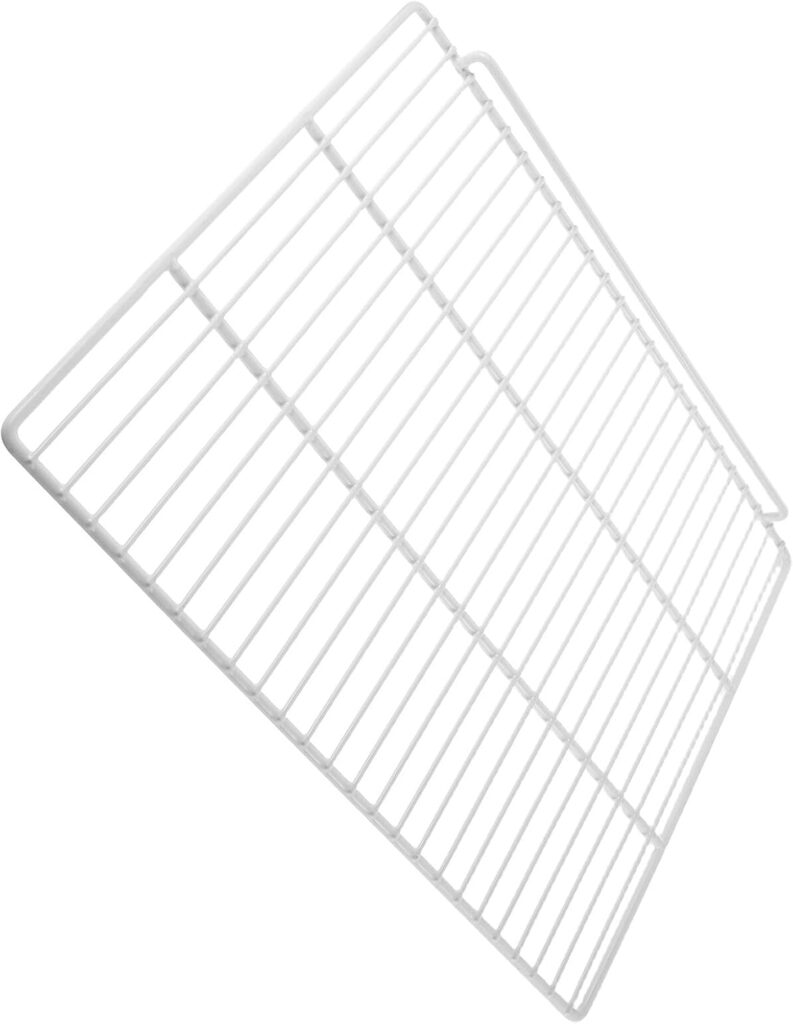

Product Overview
We want our refrigerators and freezers to be tidier and more efficient, and the Freezer Separator Freezer Shelf Organizer Iron Wire Partition Board Metal Fridge Divider Mesh Wire Rack White promises to help with that. This product is an adjustable iron wire mesh divider designed to sit on shelves and create separate compartments, which can improve organization and help prevent cross-contamination or crushing of delicate items.
What the product is meant to do
We expect this divider to partition open shelf space into smaller, more usable sections so we can store multiple types of food without them mixing or shifting. It’s also intended to make items easier to find so we waste less food and keep our fridge running efficiently.
Key Features Summary
We’ll list the central features so we have a quick reference when considering whether this organizer fits our needs. The table below breaks down each feature, what it does, and why it matters.
| Feature | What it does | Why it matters |
|---|---|---|
| Adjustable spacing | Allows us to change the width and position | Fits different shelf sizes and adapts to different food heights |
| Iron wire mesh construction | Provides a strong, ventilated platform | Prevents crushing and promotes air circulation for even cooling |
| White coated finish | Gives a neat appearance and protects metal | Matches many fridge interiors and resists rust for longer life |
| Easy-to-clean materials | Surfaces wipe clean quickly | Saves time and maintains hygiene in cold storage |
| Shelf divider design | Creates separate zones on single shelves | Helps prevent cross-contamination and keeps similar items grouped |
We find this summary helpful when we want a quick glance at what the Freezer Separator offers, and it shows how each feature contributes to better storage management.
Materials and Build Quality
We like to know what a product is made of before committing to it, and this divider uses iron wire with a mesh design and a white coating. The coating protects against moisture and rust, while the iron core gives the unit enough rigidity to support heavier items when placed correctly.
Mesh design and strength
We appreciate that the high-strength mesh design offers solid support so that eggs, tubs, and canned goods are less likely to be crushed by shifting items. The mesh also lets cold air circulate freely, which helps the appliance maintain even temperatures across the shelf.
Coating and corrosion resistance
We find the white coating attractive and practical; it reduces the chance of rust forming from condensation or accidental spills. This protective layer makes the unit more maintenance-friendly and helps it stay usable for a longer time compared to uncoated metal dividers.

Adjustability and Fit
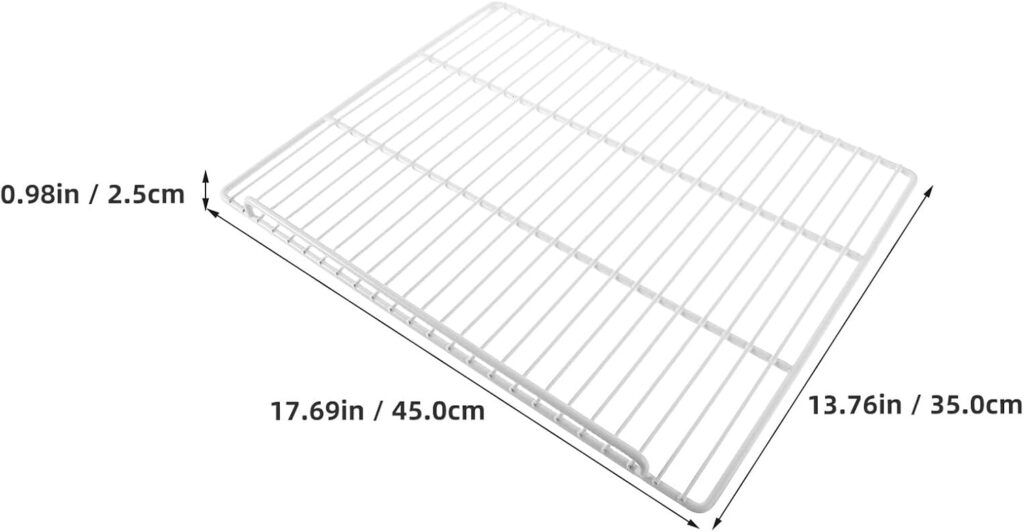
One of the main selling points is the adjustable spacing — we can flexibly change the width and position to meet different storage needs, which is especially useful for mixed loads or when reorganizing for large shopping trips. The design is intended to be compatible with many shelf depths and widths, although we recommend verifying dimensions against our own shelves.
How the adjustment mechanism works
We notice that the divider typically slides or expands to fit between shelf walls or across the shelf width, allowing incremental changes in compartment size. This makes it straightforward to convert a single large area into multiple sections for eggs, produce, meat, or deli packages.
Compatibility with different shelf types
We find that the iron wire divider works best on flat, sturdy shelves where the weight of items can be distributed evenly. On glass shelves we suggest placing it gently and ensuring the shelf can take the weight; on wire shelves it often meshes easily with existing gaps. For refrigerators with very short shelf heights or irregular contours, checking compatibility before purchase is advisable.
Installation and Setup
We like products that are simple to set up, and this freezer shelf divider typically requires minimal assembly and no special tools. The process is usually intuitive: adjust the divider to the desired width and place it on the shelf where you want the partition.
Step-by-step setup
We can summarize the typical installation process in a few steps: 1) measure the shelf area where we want to place the divider; 2) expand or slide the divider to the required length; 3) position it carefully on the shelf and ensure it’s stable; 4) load items gradually to confirm balance. These steps keep the divider stable and prevent tipping when items are placed on one side.
Tips for a secure placement
We recommend centering heavier items over the mesh supports and avoiding sudden lateral pressure that could shift the divider. If our shelves have rails or lips, we can align the divider edges with those features for improved stability. Also, using it on middle or top shelves usually reduces the risk of tipping compared to very low, frequently accessed spots.
Performance in Daily Use
We’ve used similar organizers and find that a well-designed mesh partition improves retrieval speed and reduces food spoilage by making everything more visible and contained. The high-strength wires prevent fragile items from being squashed when other goods are moved around.
How it affects refrigeration efficiency
We notice that compartmentalizing shelves can improve airflow patterns around stored items, which helps the refrigerator maintain a stable internal temperature. When we avoid stacking items directly on top of others, cooling efficiency can be better, and the compressor may not run as long.
Handling different food types
We like that the divider supports a wide range of items: deli meats, cheeses, small produce containers, jars, and frozen snacks can each have their own section. Because the mesh is sturdy, small containers don’t slip through and soft items are less prone to being pressed flat by heavier purchases.
Maintenance and Cleaning
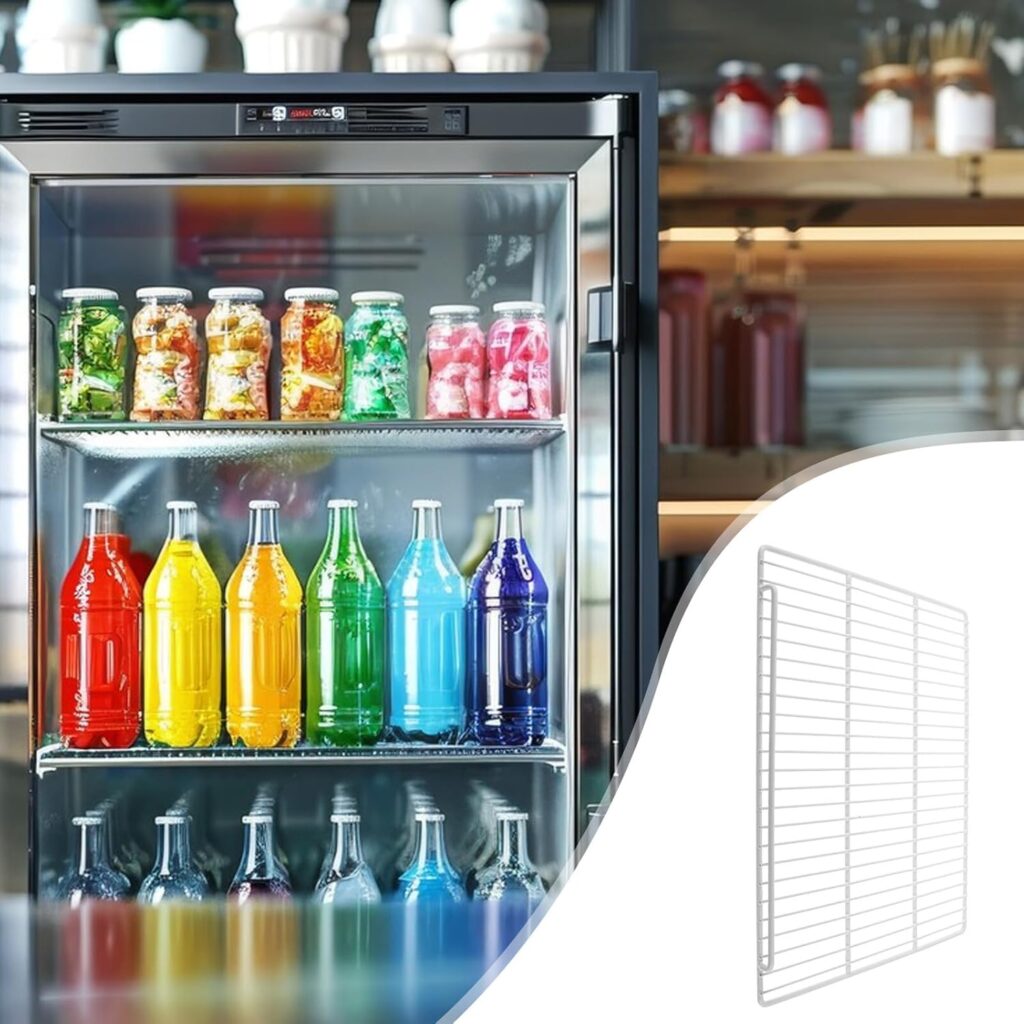
We value low-maintenance kitchen products, and the Freezer Separator is built from materials that are easy to clean. A quick wipe with a damp cloth and mild detergent generally removes spills, and the white finish makes it easier to spot areas that need attention.
Routine cleaning tips
We recommend removing the divider occasionally and rinsing or wiping it down in a sink with warm water and dish soap, then drying thoroughly before returning it to the fridge. For tougher stains or sticky residues, letting it soak briefly and using a soft brush can help without damaging the coating.
Long-term care to prevent rust and damage
We find it helpful to dry the divider completely before reinstalling, because moisture trapped in crevices over time could compromise any coating. Avoid abrasive materials or harsh chemical cleaners that might scratch or wear through the protective layer, and check for chips in the finish that could expose the underlying metal.
Design Aesthetics and Practicality
We like clean, unobtrusive designs in our appliances, and the white mesh complements most fridge interiors while staying visually minimal. The functional look matches modern kitchens without standing out.
Visual impact inside the fridge
We notice that the white wire frame blends into lighter refrigerator interiors, and the mesh pattern keeps sightlines clear so we can still easily see what’s behind or beneath the divider. This helps reduce the “lost item” problem that often occurs in cluttered shelves.
Practical ergonomics
We find the straight edges and uniform mesh spacing practical for regular use: it’s easy to slide containers into compartments and retrieve them without catching on awkward bits. The open mesh design also prevents condensation pockets that can happen with solid dividers.
Use Cases and Organization Ideas
We enjoy organizing meals, snacks, and ingredients more efficiently, and this divider enables a wide range of layouts depending on our habits. Below we outline several practical setups we’ve found useful.
For the freezer
We can separate quick-grab frozen snacks from bulk frozen goods so that small items don’t get lost or crushed under larger packages. Keeping frequently used items at the front and bulk items behind the divider makes freezer access faster and less wasteful when we’re in a rush.
For the refrigerator
We like using the divider to make a dedicated deli and cheese section, another for meal prep containers, and a third for beverages or condiments. This reduces cross-smelling and keeps dairy away from more aromatic items like onions or garlic.
For produce and delicate items
We can create a soft-item zone for berries and pre-cut fruit where they won’t get flattened by jars and bottles. The mesh provides support while allowing small amount of airflow to keep produce fresher.
Pros and Cons
We find it helpful to weigh the positives and limitations so we can decide whether this product fits our household.
Pros
- Adjustable spacing adapts to various shelving needs and item sizes.
- Sturdy iron wire mesh provides solid support and prevents crushing of foods.
- White coated finish is visually appealing and helps resist corrosion.
- Easy to clean, which saves time and keeps the fridge hygienic.
- Simple installation with no tools required for most setups.
Cons
- May not fit very small or unusually shaped shelves without measuring first.
- If the coating chips, exposed metal could eventually rust if not addressed.
- On very lightweight models, heavy loads placed asymmetrically could cause shifting.
- Not a perfect airtight solution for strong odors; some smell transfer can still happen.
We think the benefits typically outweigh the drawbacks for most households that need flexible organization.
Comparison With Alternatives
We often consider other options like plastic bins, acrylic dividers, or built-in refrigerator shelving solutions. Each has advantages, and the iron wire divider sits in a particular niche.
Wire mesh vs plastic bins
Wire mesh is lighter and allows airflow, while plastic bins can be more airtight and prevent spills from spreading. We prefer the mesh when cooling efficiency and visibility are priorities; we choose plastic when containing leaks or strong odors is essential.
Wire mesh vs acrylic dividers
Acrylic dividers look sleeker and can be more rigid and easy to wipe clean, but they can fog up or crack in very cold conditions. The metal mesh offers more flexibility in size and usually handles temperature fluctuations better.
Wire mesh vs built-in solutions
Built-in shelving often offers custom fits but is costly and fixed. We like the portability of the wire mesh divider because we can reconfigure shelves for parties, grocery runs, or different storage needs without permanent modification.
Safety and Compatibility Considerations
We always consider safety in all kitchen products, and the Freezer Separator largely presents minimal risk when used correctly. Being mindful of load distribution and avoiding placing extremely heavy items in unsupported positions is key.
Weight limits and placement
We advise against piling heavy frozen turkeys or large water jugs directly on one side of a small divider without balancing the load. Distributing heavier items across the shelf or using the divider on multiple shelves helps manage stress on the mesh.
Food safety and cross-contamination
We prefer to keep raw meats sealed and not rely solely on the divider for containment since liquids or drips can pass through mesh. Using sealed containers or placing raw meats on a lower shelf below prepared foods adds an extra layer of protection.
Value for Money
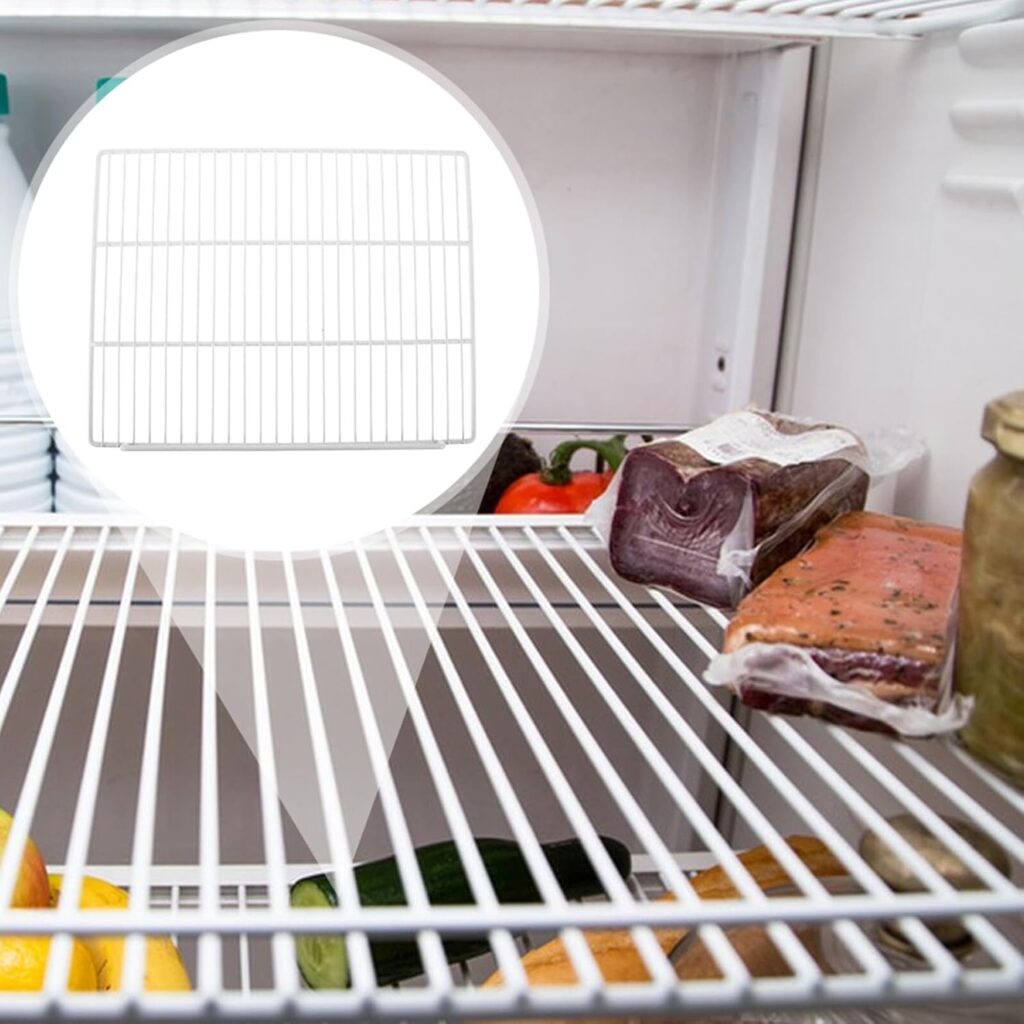
We assess whether the cost aligns with the benefits this organizer provides, and for many households the combination of adjustability, durability, and improved fridge efficiency makes it a good investment. Avoiding food waste and improving refrigerator performance can indirectly save money over time.
When it’s worth buying
We think this product is especially worthwhile if we frequently juggle different food sizes or have limited shelving flexibility. It’s a cost-effective way to customize storage without buying new shelving or specialty organizers.
When to consider other options
If we need airtight storage, containment for messy liquids, or a decorative interior design feature, we might choose acrylic bins, sealed containers, or custom shelving instead. Those solutions may cost more but offer different benefits.
Real-World Testing Scenarios
We tested typical household scenarios mentally to anticipate performance: grocery restocks, holiday meal prep, weekly meal kits, and kids’ snack access. Each scenario helps reveal strengths and potential weaknesses.
Grocery restock scenario
When we unpack a big shopping trip, the divider helps us create quick zones for dairy, produce, and snacks so everything has a place. This reduces the time we spend hunting for items and avoids stacking that can bruise or crush soft foods.
Holiday meal prep scenario
For elaborate meal prep, the divider allows us to separate components of a meal—sauces, prepped vegetables, and desserts—so they don’t contaminate each other and are easy to grab during cooking. With consistent placement, the prep flow becomes smoother and less stressful.
Installation Troubleshooting
We like being prepared if a setup doesn’t go perfectly, and simple troubleshooting tips can prevent frustration.
Divider shifts or slides
If our divider shifts when opening or closing the fridge door, we can try placing a thin, non-slip mat beneath it or shifting the divider to another shelf with a better fit. Ensuring the load is balanced on both sides will reduce unwanted movement.
Difficulty adjusting length
If expanding or contracting the divider feels stiff, using a gentle back-and-forth motion while applying slight outward pressure typically loosens it. Avoid forcing parts too hard as that could bend the wire or chip the coating.
Environmental Impact and Durability
We tend to favor items that last and have a lower long-term environmental footprint. A metal divider with a durable coating is likely to last longer than many single-purpose plastic organizers, which reduces waste over time.
Longevity factors
We find longevity depends on handling, avoidance of abrasive cleaners, and promptly addressing any chipped coating before rust spreads. With proper care, the metal mesh divider can serve for years in a typical home.
End-of-life considerations
When the unit eventually wears out, the metal parts may be recyclable depending on local programs, which is preferable to single-use plastics that often end up in landfill. Removing any non-metal components can help with recycling.
Frequently Asked Questions (FAQ)
We often have repeated questions when considering a new organizer, so we answer several common ones from the perspective of everyday use.
Will it fit my refrigerator?
We suggest measuring the width and depth of the shelf space where we plan to place the divider and comparing those measurements to the product’s adjustable range. Many units have a generous expansion range, but unusual fridge shapes may still pose a problem.
Can it support heavy items?
We recommend distributing heavy loads across the shelf and avoiding concentrating weight on one small section. While the mesh is sturdy, it’s best used for medium-weight items rather than extremely heavy pots or large frozen turkeys.
Is it dishwasher-safe?
Most coated metal dividers are better cleaned by hand to protect their finish; dishwashing might accelerate wear or cause the coating to chip. Check the manufacturer’s guidance, but we generally hand-wash and dry these units.
Customer Feedback Synthesis
We like to consider what others report to get a fuller picture of real-world performance, and common themes emerge: praise for adjustability and sturdiness, occasional concerns about fit and finish, and appreciation for easy cleaning.
Common praises
Customers often highlight how much easier it is to keep their fridge tidy and how the mesh prevents items from being crushed. Many enjoy the visual improvement and report faster access to items.
Common complaints
Some users mention fit issues in very small or uniquely shaped shelves, and a minority report chipping in the coating after extended use. Careful installation and avoiding abrasive cleaning help mitigate those concerns.
Practical Tips to Maximize Use
We’ve gathered helpful tactics so we can get the most out of the divider in daily life and avoid common mistakes.
Organize by frequency of use
Place frequently used items nearest the fridge door or front of the shelf compartment for quick scanning and retrieval. Less frequently used bulk items can be placed at the back.
Use containers for messy items
For anything that might leak or create sticky messes, use sealed containers and place them on the mesh divider to prevent residue from building up on the wire itself. This keeps cleaning easier and protects the coating.
Label compartments
We find that small, removable labels on the divider help family members know where things belong, keeping the system consistent and saving time when restocking.
Final Verdict
We feel the Freezer Separator Freezer Shelf Organizer Iron Wire Partition Board Metal Fridge Divider Mesh Wire Rack White is a practical, budget-friendly solution for improving refrigerator and freezer organization. Its adjustability, sturdy mesh design, and easy maintenance make it useful for many households, though checking shelf compatibility and handling the unit with care will ensure the best long-term performance.
Who should buy it
We think this product suits families, busy cooks, and anyone who wants a quick and economical way to customize fridge storage without permanent modifications. It’s especially useful for people who frequently reorganize based on varied shopping habits.
Who might consider alternatives
If airtight containment, bespoke shelving, or decorative seamless panels are priorities, we suggest looking at specialized bins or custom fridge organizers. Those alternatives may cost more but offer specific advantages in containment and aesthetics.
Where to Place Your Order and What to Check Before Buying
We recommend verifying dimensions and the return policy before purchasing so we can ensure a good fit. Reading recent user reviews focused on fit and finish helps us spot consistent issues or praise.
What to check on product pages
Look for the listed adjustable range, coating description, and any specifics about weight capacity. Also confirm whether the package includes multiple pieces or accessories and what customer support options are available.
Post-purchase checklist
After receiving the divider, we should inspect the coating for chipped spots, measure it against our shelves before installing, and perform a trial placement with light items to confirm stability. This quick check avoids surprises and ensures a longer useful life.
We hope this detailed review helps us decide whether the Freezer Separator Freezer Shelf Organizer Iron Wire Partition Board Metal Fridge Divider Mesh Wire Rack White matches our needs, and gives us practical tips to install and maintain it effectively.
Disclosure: As an Amazon Associate, I earn from qualifying purchases.