

Looking to make our chest freezer work harder for us by keeping things separated, visible, and easy to retrieve?
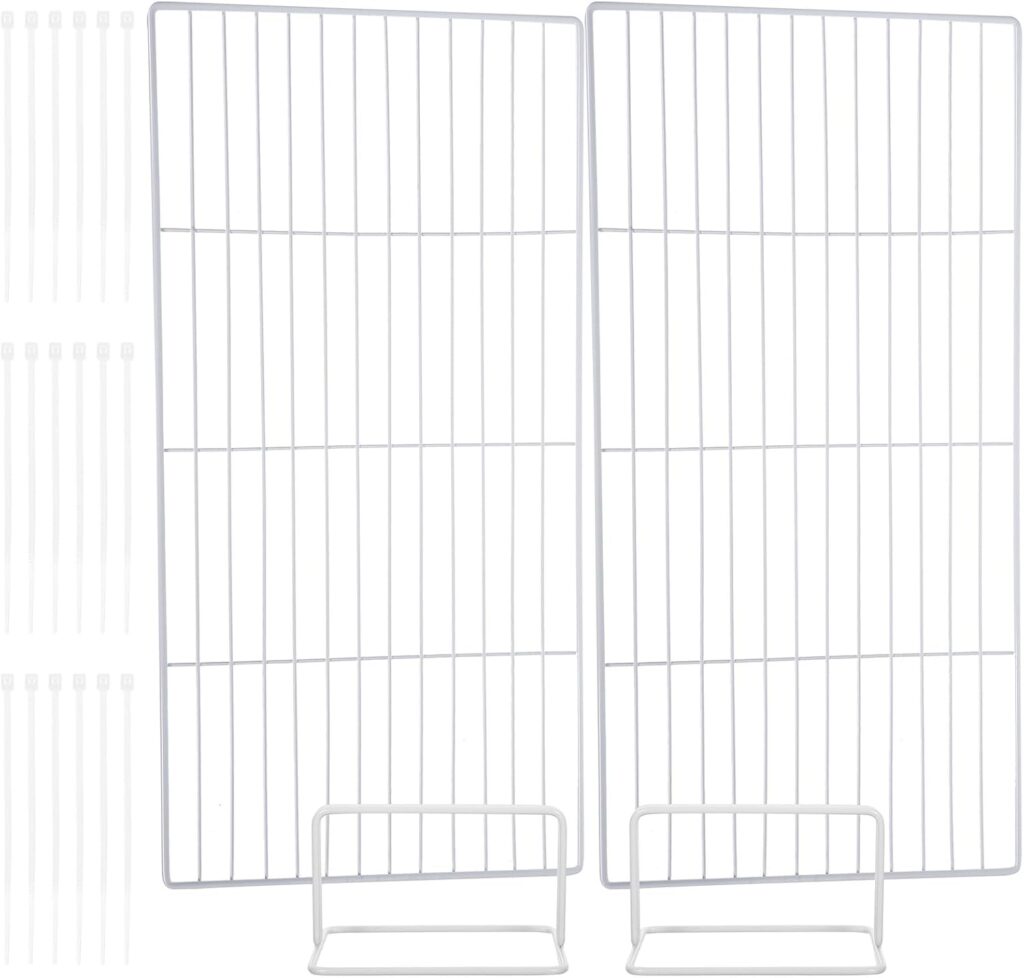

Product Overview
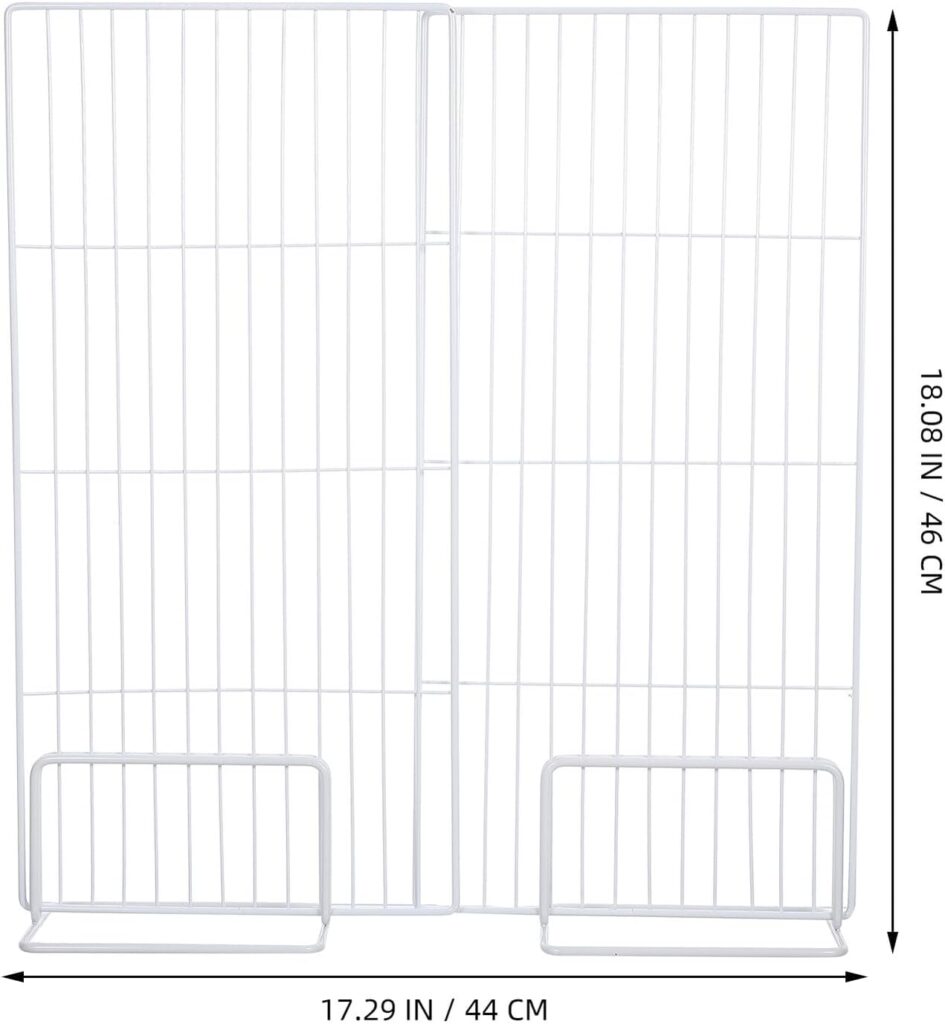
We tested the Freezer Wire Partition Shelf Divider Adjustable Iron Mesh Organizer for Chest Freezer Storage Single-Sided Cold-Resistant Structure for Efficient Food Categorization to see how well it organizes a busy freezer. We found it is a simple wire-mesh divider designed to create defined sections in a chest freezer, with an adjustable partition design and materials chosen to resist damage at low temperatures.
Key Features
We want to summarize the main selling points so we can judge utility quickly. The product emphasizes cold-resistant iron construction, an adjustable partition design, and an easy-to-clean surface — all intended to improve organization and accessibility inside a chest freezer.
Material & Cold Resistance
We appreciate that the unit is crafted from iron materials meant to stay stable and durable even in freezing temperatures. This cold-resistant durability is central to the product’s promise, because plastic or coated parts can become brittle under extended subzero exposure.
Adjustable Partition Design
We like the flexibility that the adjustable partition design brings, allowing us to create different compartment sizes to match the food types we store. The single-sided structure makes it straightforward to place and reposition the divider without complicated hardware.
Effortless Maintenance
We noticed the product promotes effortless maintenance; the smooth wire surface wipes clean quickly and resists sticking. That makes it easy for us to keep the divider sanitary even when dealing with spilled liquids or frost buildup.
Surface Finish & Hygiene
We value the smooth, easy-to-clean surface, which helps maintain a tidy storage environment and reduces the chance of food residue accumulation. The mesh pattern still allows airflow while providing separation, which supports even temperature distribution.
Build Quality & Durability
We observed the iron mesh construction aims to resist bending and cracking in low temperatures and should provide reliable long-term use. Longevity is important for a component that will spend its life in a cold, occasionally damp environment.
Feature Breakdown Table
We created this table to present product information at a glance and clarify what to expect. Specific dimensions and capacities may vary by listing or model, so we recommend checking the exact product listing before purchasing.
| Feature | What It Means | Our Notes |
|---|---|---|
| Material | Iron mesh construction | Cold-resistant iron should resist brittleness; check for rust-resistant coating if you plan to use in damp freezers |
| Design | Single-sided adjustable partition | Creates sections without complicated hardware; adjustable range depends on model |
| Surface | Smooth, easy-to-clean mesh | Wipes clean quickly; mesh allows airflow |
| Compatibility | Intended for chest freezers (may fit some upright fridges) | Measure your freezer interior before buying; shape and thickness matter |
| Maintenance | Quick wipe down | No special cleaning agents required — mild detergent and water usually suffice |
| Durability | Designed for low temp use | Iron performs well in cold but may need rust protection if moisture is frequent |
| Installation | Tool-free placement and repositioning | Generally simple to slide into position and secure |
| Use Cases | Categorizing frozen foods, separating raw and cooked items, portion storage | Works well with bags, boxes, and containers |
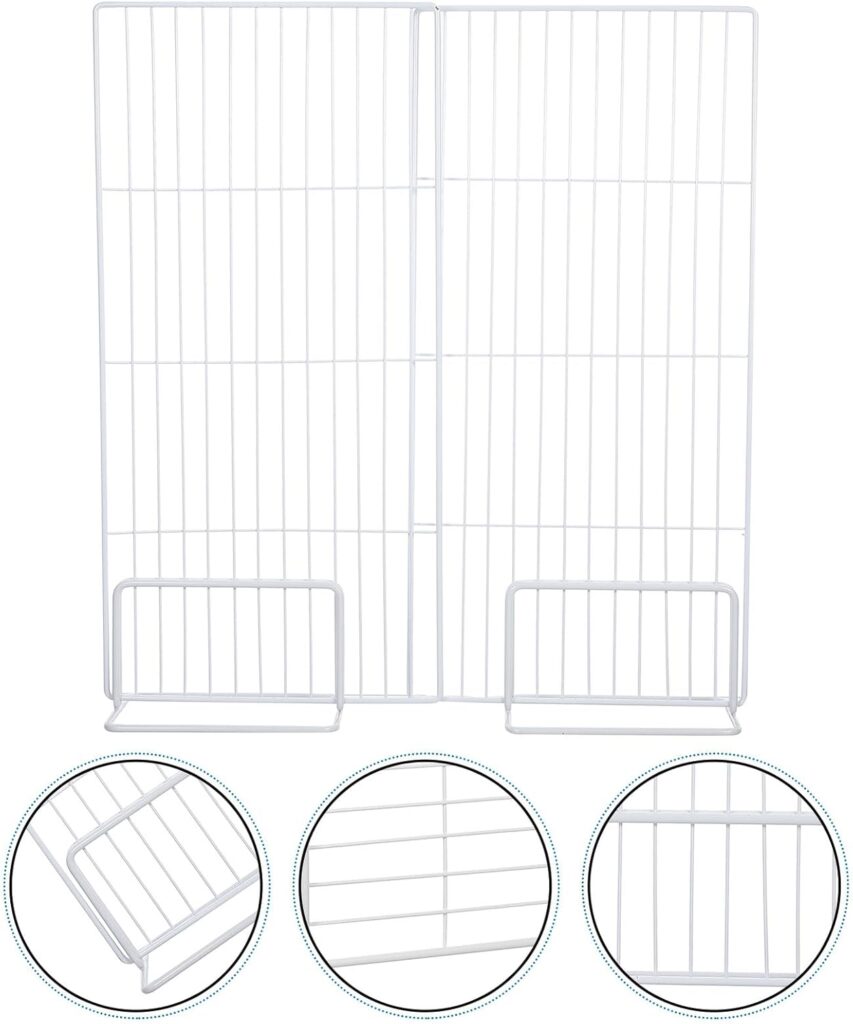

What We Liked
We want to highlight the strengths that made the divider useful in our freezer setups. These points show where the product delivered real value in day-to-day use.
- Flexible Organization: We could partition the space to store packages, bulk meat, and frozen vegetables separately, which saved time when retrieving items. The adjustable nature meant we could configure wider or narrower bays as needs changed.
- Cold-Resistant Construction: The iron mesh felt sturdy and stayed stable when pushed or shifted, which gave us confidence that it would survive long-term exposure to low temperatures. That resilience matters for a product permanently exposed to freezing conditions.
- Ease of Cleaning: We were able to wipe down spills and frost quickly without scrubbing, and that convenience encouraged more frequent cleaning and better overall hygiene. Minimal maintenance increased its practical day-to-day value.
- Improved Accessibility: By breaking the deep chest freezer into visible sections, we stopped rummaging through piles and reduced the number of times we had to open the lid searching for an item. Less time with the lid open means less warm air into the freezer.
- Airflow-Friendly Mesh: The open mesh design kept cold air circulating around stored items, which helped maintain even temperatures across sections and reduced localized thawing risks.
- Simple Installation: We set up and repositioned the divider without tools or complicated instructions, so the initial setup was fast and approachable for anyone.
What Could Be Improved
We want to be candid about areas where the product might not meet every buyer’s needs. These are common trade-offs with wire dividers and chest-freezer organization accessories.
- Potential for Rust Over Time: While iron is durable in the cold, if moisture or salty foods are present a protective coating matters. We recommend checking whether the model has a rust-resistant finish before long-term use in humid conditions.
- Fit Is Model-Dependent: Because chest freezers vary widely in interior dimensions, the divider may not fit every freezer perfectly without measuring and selecting the right size. We needed to double-check dimensions for an optimal fit.
- Single-Sided Structure Limits Options: The product is single-sided, so it works best when placed against a wall or supported by other items. For some configurations, a two-sided or freestanding divider would offer more versatility.
- Weight Limits Unspecified: The listing does not always specify a clear weight capacity, so we avoided using it as a shelf for heavy, rigid containers. We recommend using it primarily to separate lighter packages and bags.
- Limited Aesthetic Finish: If appearance inside a kitchen-visible freezer matters to us, a powder-coated or plastic-coated model might look cleaner than bare or basic iron mesh.
Installation & Setup
We want the setup to be as painless as possible, so we describe the few steps required to install and adjust the partition. Installation is usually straightforward and tool-free.
- Measure the Internal Space: We measure freezer width and depth to make sure the divider will fit and reach the locations we want to separate. Accurate measurements avoid surprises.
- Choose Placement: We determine whether we want zones near the lid, center, or back, and then slide the divider into position. Decide whether the single side will face frozen goods or the freezer wall.
- Adjust Width: If the divider offers an adjustable range, we extend or compress it until the divider fits snugly between the freezer walls or rests securely on other items. Make adjustments incrementally.
- Test Stability: We push gently at several points to ensure the divider does not shift or tip under typical loads. If needed, we reposition or use nearby items to brace it.
- Load Items Methodically: We fill compartments in a logical order to avoid blocking air channels or creating imbalanced loads that could cause tipping.
We recommend keeping a little clearance along the edges for air circulation and leaving space above the divider for large items.
Cleaning & Maintenance
We believe simple cleaning routines will extend the divider’s useful life and keep stored food safer. Regular checks for frost or food residue should become part of our freezer maintenance.
- Routine Cleaning: We wipe the divider with a cloth dampened with mild detergent and warm water, then dry it thoroughly to avoid trapped moisture that could lead to corrosion. For quick refreshes, a soapy wipe followed by a dry cloth is usually enough.
- Deep Cleaning: If spills occur or odors develop, we remove the divider and soak it in warm soapy water, then scrub gently with a soft brush before drying. Avoid harsh abrasives that could damage coatings.
- Rust Prevention: We examine the divider for paint chips or exposed metal. If we see bare iron in areas that get wet frequently, we consider applying a thin coat of food-safe rust inhibitor or a light non-toxic varnish specified for cold conditions.
- Storage During Defrost: If we defrost the freezer, we remove the divider, clean and dry it thoroughly, then store it in a dry place until the freezer returns to operating temperature.
- Avoiding Chemical Damage: We avoid using strong bleaches or caustic cleaners that could harm the surface finish or leave residues.
Performance in Real Use
We want to share how the divider performed during typical freezer routines: organizing, holding items, and allowing airflow. These aspects determine whether it truly improves daily freezer use.
Organization & Accessibility
We found that the divider turned a jumbled chest into predictable zones, cutting retrieval time and reducing lid-open duration. By labeling compartments or organizing by meal type, we reduced food waste and made meal prep more efficient.
Temperature & Airflow
We observed that the mesh design supported continued airflow, which helps maintain uniform freezing in each compartment. Unlike solid plastic panels that can obstruct circulation, this wire mesh upheld cold air movement and reduced the risk of temperature pockets.
Load Handling
We used the divider mainly for soft packs, bags, and boxed items. It handled typical frozen food loads well, but we avoided loading rigid, very heavy containers directly against it since the manufacturer doesn’t always specify maximum load capacity. For heavy items, we used the divider to separate rather than support them.
Compatibility & Use Cases
We think the divider fits a variety of common freezer setups, but suitability depends on measurements and how we intend to use it. Here are practical scenarios where it excels.
- Best for Chest Freezers: Designed with chest-style interiors in mind, it works well across many makes and models where vertical space is limited but horizontal organization helps. We kept frequently used items near the top section for easy access.
- Upright Freezer & Refrigerator Compatibility: We sometimes used it in wider, deeper refrigerator sections where a single-sided divider could be wedged or supported. Fit depends heavily on internal dimensions and shelf spacing.
- Bulk and Seasonal Food Storage: We organized bulk purchases, seasonal harvests, or party preparations into clearly identified zones. This prevented items from getting lost in the back.
- Meal Prep & Portions: Consolidating meal prep bags or individually portioned meals into compartments made reheating and planning easier for our household.
- Mixed Item Storage: We separated raw meat from cooked or ready-to-eat items to lower cross-contamination risk, while keeping everything visible and accessible.

Comparison with Alternatives
We think comparing against other storage options helps identify which product fits our priorities. We compared wire mesh dividers to plastic bins, solid dividers, and custom shelving.
- Wire Mesh Divider vs. Plastic Bins: Wire dividers are cheaper and allow better airflow; plastic bins are fully enclosed and stackable but take more space and can trap cold pockets.
- Wire Mesh Divider vs. Solid Plastic Panels: Mesh permits air circulation and reduces frost build-up compared with solid panels. Solid panels can create dead zones and block circulation.
- Wire Mesh Divider vs. Full Shelving: Full shelves provide stacking surfaces but often require designed support and may restrict vertical flexibility. Dividers are lighter, simpler, and easier to reposition.
- Wire Mesh Divider vs. Custom Inserts: Custom inserts can maximize space but are more expensive. Wire dividers are a budget-friendly option with fast setup and acceptable flexibility.
Who Should Buy This
We recommend this product for households and users who want a low-cost, flexible way to organize a freezer. It’s a strong fit for those who:
- Store a variety of frozen items and need quick visual organization.
- Use chest freezers or wide refrigerator sections where a single-sided partition will work.
- Prefer easy, tool-free installation and simple maintenance.
- Value airflow and cold-resistant materials to reduce temperature inconsistencies.
Who Shouldn’t Buy This
We suggest considering other options if any of the following describe our situation:
- We need a freestanding, two-sided divider or shelf to support heavy, rigid containers.
- Our freezer interior has unusual dimensions or internal protrusions that make standard dividers impractical.
- Corrosion in damp environments is a primary concern and we would prefer fully rust-proof materials or stainless steel.
- We require precise weight-bearing ratings for heavy appliances or commercial storage.
Troubleshooting
We prefer to be proactive about issues, so here are common problems and solutions based on our experience.
- Divider Shifts When Opening Lid: We reposition the divider slightly deeper into the cavity or place a small brace (a folded towel or a box) behind it to stabilize the unit. A snug fit between walls also helps.
- Surface Rust Appears: We clean the spot thoroughly, dry it, and apply a food-safe rust preventive or touch up with a suitable coating. For severe rust, replacement may be safer.
- Freezer Odor Transfers to Divider: We deep-clean with warm soapy water and a non-toxic odor remover, then dry thoroughly. Regular cleaning prevents odor absorption.
- Items Block Airflow: We redistribute items to maintain airflow around the divider and avoid stacking in ways that create dead air pockets.
- Divider Too Narrow or Too Wide: If the divider’s adjustable range doesn’t match our freezer, we consider a different size model or add small blocks to create a tighter fit.
Frequently Asked Questions
We gathered common questions we think buyers will ask and answered them in plain terms.
Q: Is the divider safe for food contact? A: Yes, the wire mesh is intended for use in food storage areas; we recommend washing before first use and using mild detergents for ongoing cleaning.
Q: Will it fit our freezer? A: Fit depends on the interior dimensions and shape of your freezer. We advise measuring width and depth and checking the specific model’s adjustable range before purchasing.
Q: Can it be used in upright fridges? A: It can work in some upright refrigerators that have wide, unobstructed shelf spaces, but fit is model-dependent and may require creative placement.
Q: How do we prevent rust? A: Keep the divider dry during defrost cycles and clean spills promptly. If you notice bare metal, apply a food-safe rust inhibitor or replace the divider if corrosion is extensive.
Q: Can it support heavy items? A: The divider is best for separating packages, bags, and boxed items; it is not designed as a heavy-duty shelf replacement for very heavy loads.
Q: Is it easy to move? A: Yes, it is designed for tool-free adjustment, so we can move or reposition it quickly as storage needs change.
Q: Does it obstruct freezing efficiency? A: No — the mesh allows airflow, which supports even freezing. Unlike solid panels, it is less likely to create warm pockets.
Q: Will it fit around hinges or internal supports? A: Because freezer interiors vary, it may not fit neatly around every internal feature. Measure and consider the location of hinges or protrusions before buying.
Maintenance Checklist
We recommend a simple checklist to keep the divider in top condition.
- Monthly wipe-down with mild detergent and water.
- Inspect for chips in coatings and treat promptly.
- Remove and deep-clean during any full defrost cycle.
- Store dry and avoid long-term exposure to standing water.
Safety Considerations
We want to ensure safe use and minimal risk from frozen food storage.
- Keep sharp or pointed items away from the mesh to avoid punctures to packaging.
- Avoid overloading compartments in ways that could cause tipping or lid interference.
- When handling the divider during a defrost, wear gloves if metal is very cold to improve grip and protect skin.
- Use food-safe cleaners and avoid chemicals that leave residues.
Buying Tips
We like to ensure a good purchase decision, so we recommend practical steps before ordering.
- Measure Your Freezer Interior: Record width, depth, and any obstructions so you can pick a model that fits.
- Confirm Adjustable Range: Look for the product’s adjustable span or multiple size options on the listing.
- Check Coating Details: If you live in a humid climate, opt for models labeled as rust-resistant or coated with a non-corrosive finish.
- Read Reviews for Fit: Look for buyer photos or descriptions from people with similar freezers to gauge real-world fit and durability.
- Consider Complementary Accessories: Pair the divider with bins, labels, or clear bags for the most efficient organization.
Practical Organization Ideas
We found several arrangement patterns that worked well and can help others start.
- Category Zones: Meat, vegetables, prepared meals, and baking supplies each get their own bay for easy retrieval.
- FIFO (First In, First Out): Place newer items at the back and older items at the front to reduce food waste.
- Meal Prep Sections: Assign compartments to specific meal categories like breakfasts, lunches, and dinners for quicker meal planning.
- Portion Stacking: Use the compartment to stack similarly sized portion bags to prevent shifting and maintain order.
- Seasonal Rotation: Dedicate a section to seasonal items and rotate them to the back when not in active use.
Final Verdict
We found the Freezer Wire Partition Shelf Divider Adjustable Iron Mesh Organizer for Chest Freezer Storage Single-Sided Cold-Resistant Structure for Efficient Food Categorization to be a practical, budget-friendly solution for improving freezer organization. It offers flexible compartmentalization, good airflow thanks to the mesh design, and easy cleaning — all useful benefits for everyday freezer management. For anyone wanting a simple way to keep bulk items tidy and reduce rummaging, this divider is a compelling option, provided we check fit and consider rust protection in humid conditions.
Additional Resources
We suggest keeping a small measuring tape and a notebook handy when shopping to compare product specs against freezer measurements. Also, consider pairing the divider with labeled bins or resealable bags to maximize the organizational benefits.
We hope this review helps us make an informed decision and get our freezer running more efficiently and neatly.
Disclosure: As an Amazon Associate, I earn from qualifying purchases.