

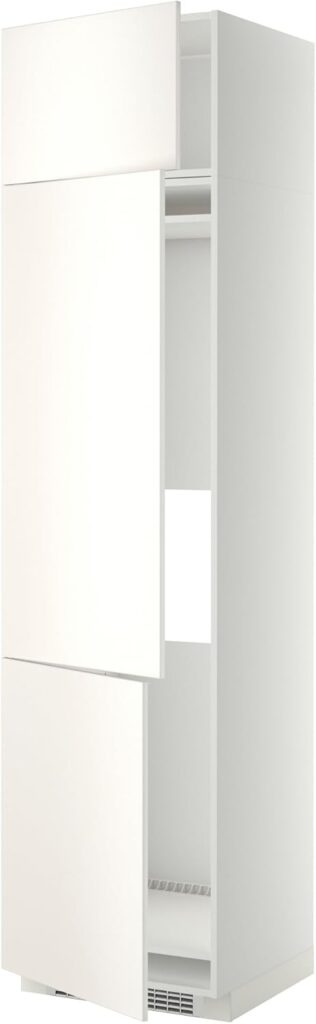
?Are you trying to decide whether the ProTuning METOD High cab f fridge/freezer w 3 doors, white/Veddinge white, 60x60x240 cm is the right tall appliance for your kitchen?

Product overview
You want a clear snapshot of what this appliance brings to your kitchen, and this section gives you that. The ProTuning METOD High cab f fridge/freezer w 3 doors, white/Veddinge white, 60x60x240 cm is a tall, three-door unit designed to fit a 60×60 cm footprint and stretch up to 240 cm high. About this item: Please check item description for more detail. Made in Sweden — see more product details.
Quick summary in plain terms
You’ll find this model aims to combine a full-height cabinet look with separate cooling zones for fridge and freezer needs. The white/Veddinge white finish helps it blend with many kitchen schemes, especially if you’re using METOD-style cabinetry or looking for a built-in appearance.
Key specifications table
You probably appreciate a compact table that lays out the essentials. Below is a breakdown that helps you compare at a glance and note what you should verify in the full product listing.
| Feature | Details |
|---|---|
| Product name | ProTuning METOD High cab f fridge/freezer w 3 doors, white/Veddinge white |
| Footprint | 60 x 60 cm |
| Height | 240 cm |
| Doors | 3 doors (configuration: tall cabinet with separate compartments) |
| Color | White / Veddinge white |
| Origin | Made in Sweden |
| Intended use | Built-in/tall cabinet fridge + freezer for kitchens |
| Notes | About this item: Please check item description for more detail. See more product details. |
Design and aesthetics
You’ll likely be influenced by how the appliance looks as much as how it works. The white/Veddinge white finish offers a neutral, clean aesthetic that fits modern and traditional kitchens alike. Because it’s a tall cabinet-style unit, it creates a streamlined look when integrated with surrounding cabinetry.
Exterior and finish
You want a finish that’s easy to keep clean and matches other cabinetry. The surface is designed to mimic kitchen cabinet doors, so you can maintain a coherent look across your kitchen without a visible standalone appliance. The white finish tends to hide scratches less well than patterned surfaces, so you’ll want to handle it with a bit of care during installation and use.
Handles and doors
You’ll judge doors and handles on ergonomics and durability. A three-door design gives you separated access to different temperature zones, which improves convenience and reduces cold air loss when you open one section. Check the product listing for handle style—some versions may be handleless or prepared for integrated, recessed handles to suit your kitchen design.
Built-in look and integration
You’ll appreciate that this product is aimed at creating a cohesive built-in look. It’s sized to align with METOD-style cabinets and high-cabinet openings, so if you’re remodeling or fitting new cabinetry, this unit can sit flush and look custom-made. Make sure to double-check hinge orientation and door overlay options before you finalize your kitchen plan.
Dimensions and installation space
You want to be confident the unit fits your space and cabinet openings. The unit’s external footprint of 60 x 60 cm and 240 cm height makes it a tall, narrow appliance that suits many vertical kitchen designs. Measure your cabinet rough opening carefully and allow for ventilation space as recommended by the manufacturer.
Clearance and ventilation
You’ll need to leave space for proper air circulation and service access. Built-in units typically require ventilation at the top and bottom to prevent overheating of the compressor and ensure efficient cooling. Check the product description for specific clearance recommendations, and plan for at least minimal gaps if your cabinet manufacturer specifies them.
Weight and handling
You’ll want to know how manageable the unit is during installation. Tall units can be heavy and awkward to move; you should plan to have at least two people for installation and consider protective straps or appliance dollies. If you’re fitting this into pre-installed cabinetry, verify how the doors will be mounted and whether you need hinge adapters or custom trims.
Capacity and internal layout
You want internal space to match your household’s food habits. Because the unit is tall, you get substantial usable vertical space, which is great for tall bottles, bulk storage, or multiple shelves of groceries. Exact liter capacity isn’t listed here, so refer to the official product description for liters per compartment, but expect a multi-hundred liter combined capacity in a 240 cm tall unit.
Fridge compartment details
You’ll likely use the fridge section most often, so pay attention to shelf flexibility and storage organization. Adjustable shelves, crispers for produce, and door bins for bottles make everyday use much easier. If the unit follows common modern designs, it will have glass shelves and transparent drawers to help you stay organized.
Freezer compartment details
You’ll want a freezer that gives you quick access and efficient storage. A separate freezer compartment in a three-door layout often includes drawers or flaps for frozen foods—helpful for categorizing meats, ice cream, and bulk items. Look for frost-free operation in the listing if you prefer minimal manual defrosting.
Shelf and accessory options
You’ll appreciate adjustable shelving that lets you accommodate tall or odd-shaped items. The ability to move shelves and door bins around is key to customizing the interior for your needs. If you need specialized inserts—like wine racks or egg trays—check whether the manufacturer or third-party suppliers offer compatible accessories.


Cooling performance and temperature control
You’re interested in how well the appliance keeps food safe and fresh. Cooling performance depends on compressor quality, insulation, and the control system; tall units often use multiple compressors or clever airflow to maintain separate temperatures across zones. Verify whether the unit provides independent temperature settings for fridge and freezer sections.
Temperature stability
You’ll want consistent temperatures to preserve food quality. Good cabinets minimize temperature swings when you open doors, and having separate doors for each zone reduces the frequency of full-cabinet air loss. Check user reviews for reports on temperature stability, or test an installed unit by monitoring with a thermometer during the first few weeks.
Defrost system and frost management
You’ll benefit from a frost-free system if you prefer low-maintenance freezers. Frost build-up reduces efficiency and requires manual defrosting if not managed automatically. Confirm whether this unit uses frost-free technology or requires occasional manual defrosting, especially in the freezer compartment.
Energy efficiency and running costs
You want to minimize the cost of running your appliance over years of use. Energy efficiency depends on insulation, compressor technology, and how well the unit seals. Because specific energy class ratings aren’t included here, check the product label or official listing to compare annual kWh consumption and energy class.
Estimated energy use considerations
You’ll reduce running costs by keeping the unit full (without overcrowding), setting optimal temperatures, and ensuring door seals are tight. Tall, well-insulated units generally use energy efficiently because their vertical design lowers surface area relative to volume. Still, confirm exact kWh/year figures and factor them into your operating cost expectations.
Practical tips to save energy
You’ll save energy by placing the unit away from heat sources like ovens and direct sunlight, and by avoiding frequent door openings. Regularly defrosting (if applicable) and cleaning condenser coils helps the compressor run less often. Check for power-saving modes or adaptive cooling features in the product description.
Noise and vibration
You want an appliance that won’t disrupt daily life in an open-plan home. Noise depends on compressor type and mounting; modern refrigerators tend to be quieter, often in the 30–45 dB range. For precise noise figures, consult the product listing; otherwise, read customer reviews to assess real-world noise levels.
Typical noise expectations
You’ll typically hear a low hum from modern compressors and occasional cycling when the compressor turns on. Tall units that are well-mounted and plumbed into cabinetry will transmit less vibration noise if installed correctly. If you’re noise-sensitive, look for explicit noise ratings in the official specs.
Troubleshooting unusual noises
You’ll want to act quickly if you notice rattles, buzzing, or knocking sounds. Loose internal parts, poorly leveled installation, or contact with adjacent cabinetry are common causes. Level the appliance, tighten mounting hardware, and verify that the condenser fan is clean; if problems persist, contact the seller or service center.
Controls and user interface
You want controls that are intuitive and accessible. Many modern cabinet-style refrigerators provide electronic controls, temperature displays, and sometimes a holiday mode or quick-freeze options. If you prefer a minimalist look, integrated or hidden controls are common on built-in models to preserve a seamless cabinet facade.
Access to controls
You’ll typically find the control panel inside the fridge compartment or on the edge of the door to maintain a sleek exterior. Consider whether you want visible external controls or a hidden panel that keeps the front clean. Verify location, ease of use, and whether the control panel is lockable if you have kids.
Smart features and connectivity
You might expect smart features, but not all built-in units offer Wi-Fi or app integration. If smart connectivity matters to you, check the product description for features like temperature alerts, remote monitoring, or energy tracking. Such features can add convenience but also increase initial cost and repair complexity.
Cleaning, maintenance, and warranty
You want to maintain hygiene and protect your investment. Cleaning glass shelves, drawer seals, and condenser coils regularly keeps the unit running well and preserves food quality. For long-term reliability, follow the maintenance schedule recommended by the manufacturer and keep the original paperwork for warranty claims.
Routine cleaning advice
You’ll make cleaning simpler by wiping spills immediately with a mild detergent and warm water—never use abrasive cleaners. Remove and wash drawers and shelves periodically to prevent odors and residue build-up. For door seals, a quick clean with a soft brush and soapy water helps maintain an airtight closure.
Long-term maintenance and service
You’ll want to service condenser coils once or twice a year and check seals for wear. If the unit uses replaceable water filters or special parts, track replacement schedules to ensure consistent performance. Confirm the length and coverage of the warranty in the product listing and register the product if required.
Installation checklist and tips
You want a smooth installation process that prevents problems later on. Prepare measurements, ensure adequate power supply and grounding, and have installation tools and personnel ready when the unit arrives. If you’re integrating into METOD-like cabinetry, ensure hinge compatibility and verify door swing clearances.
Pre-installation preparations
You’ll measure the cabinet opening carefully and leave space for ventilation as recommended by the manufacturer. Make sure flooring is level and strong enough to support a tall unit; consider anti-tip brackets for safety. Confirm your electrical circuit matches the appliance requirements and that there’s a nearby grounded outlet.
Professional installation considerations
You’ll benefit from professional installation if you’re not comfortable handling heavy appliances. Pros can ensure proper leveling, secure door alignment, and correct venting. If electrical or plumbing modifications are needed (for models with ice/water features), have licensed professionals do this work to meet safety codes.
Safety and child-friendly features
You want to keep kids safe around a large appliance. Top-heavy cabinets should be secured to the wall or cabinetry to prevent tipping. Check whether the unit has child locks or door alarms to prevent accidental openings and food spoilage.
Anti-tip and anchoring
You’ll reduce risk by using manufacturer-recommended brackets or anti-tip straps. Tall units can become unstable if not anchored, especially when doors are open and loaded. Follow installation guidance for anchoring and secure fasteners through sturdy framing or cabinet structure.
Door alarms and locks
You’ll appreciate audible or visual alerts for doors left open—handy for saving energy and preventing food spoilage. If you need extra security, look for child-lock features or external latch-compatible options. These make the unit more family-friendly and reduce accidental access.
Who is this unit best for?
You want to know whether this model matches your lifestyle and kitchen layout. The ProTuning METOD High cab f fridge/freezer w 3 doors is well-suited to households that need a high-capacity, built-in appearance and want separate access to fridge and freezer. It works best for families, serious home cooks, and those doing full kitchen remodels with integrated cabinetry.
Ideal kitchen styles and sizes
You’ll find this unit fits well in medium to large kitchens where height is prioritized over width. If your kitchen design uses METOD-style or tall cabinet modules, this product can blend in seamlessly. Smaller kitchens with limited ceiling height or very narrow alcoves may not be suitable.
Ideal users and households
You’ll benefit from this unit if you buy groceries in bulk, entertain often, or need separate storage zones for organized meal prep. Families with varied dietary needs or meal-prep routines will like the access and capacity. If you live alone and only need compact refrigeration, a smaller appliance might be more economical.
Pros and cons
You want a clear list to balance benefits and potential drawbacks. Below, you’ll find what typically stands out for this kind of tall, 3-door cabinet-style fridge/freezer.
Pros
- You’ll get a built-in, cohesive look that complements METOD cabinetry and modern kitchens.
- You’ll benefit from separate doors for fridge and freezer, reducing temperature exchange and improving organization.
- You’ll gain substantial vertical storage that suits tall bottles and bulk items.
- You’ll appreciate a neutral white finish that works with many design palettes.
- You’ll have the reassurance of an origin labeled as Made in Sweden, suggesting certain manufacturing standards.
Cons
- You’ll need to confirm exact internal capacities and energy ratings before purchasing to avoid surprises.
- You’ll likely require professional handling for safe installation due to height and weight.
- You’ll need to plan ventilation carefully to avoid efficiency issues in a built-in cabinet.
- You’ll want to verify noise and frost management features if those are priorities for you.
Comparison tips when shopping
You want to make an informed comparison with other tall cabinet units. Focus on energy class, total usable liters for fridge vs freezer, noise levels, door configuration, and the warranty length. Also compare interior features like adjustable shelves, drawer materials, and whether the unit is frost-free.
What to prioritize based on needs
You’ll prioritize energy efficiency and capacity if running costs and storage matter most. Choose low-noise models if your kitchen is near living areas. If a seamless cabinet look is your priority, match door styles and hinges to your existing kitchen system and check how the appliance integrates visually and mechanically.
Troubleshooting common issues
You want practical fixes for issues that might arise after installation. Many common problems are easy to resolve with simple checks and routine maintenance. Always consult the official manual or warranty service when in doubt.
Common issues and fixes
- You’ll find uneven cooling sometimes caused by blocked vents or items touching the back. Clear vents and rearrange items.
- You’ll experience noise or vibration if the unit isn’t level; re-level using adjustable feet or shims.
- You’ll see frost build-up in non-frost-free models; schedule occasional manual defrosting and inspect seals for leaks.
When to contact service
You’ll contact service if you see persistent temperature failure, refrigerant leaks, compressor faults, or electrical issues. Also reach out if the unit trips your breaker repeatedly or emits unusual burning smells. Keep proof of purchase and warranty info handy.
Final verdict and buying advice
You want a concise conclusion to support your decision. The ProTuning METOD High cab f fridge/freezer w 3 doors, white/Veddinge white, 60x60x240 cm offers a compelling combination of built-in aesthetics, vertical capacity, and practical compartmentalization. If you’re remodeling or building a kitchen that already uses tall cabinet modules, this model could be an excellent match.
Buying checklist for your decision
You’ll want to confirm the following before you commit: exact internal capacities (liters per compartment), energy rating and annual kWh consumption, noise level in dB, frost management system (frost-free or manual), warranty duration and coverage, and any required accessories for built-in installation. Also confirm delivery and installation terms, and whether the seller provides removal of your old appliance.
Frequently asked questions
You want quick answers to likely concerns before and after purchase. Here are common questions and straightforward responses.
Will this unit fit standard METOD cabinetry?
You’ll likely find it’s designed for METOD-like cabinet openings, but you must verify hinge type, door overlay, and exact cutout sizes to ensure proper fit. Measure twice and check the official installation guide.
Is it suitable for a family of four?
You’ll probably find the capacity ample for a family, provided you confirm the internal liters and shelving layout meet your storage patterns. The three-door layout helps keep things organized for family meal prep.
Do I need professional installation?
You’ll benefit from professional installation for safety and correct integration, particularly to anchor the unit, ensure proper leveling, and handle any electrical or plumbing connections. Professional installers also help preserve the manufacturer warranty in many cases.
What does “Made in Sweden” imply here?
You’ll interpret “Made in Sweden” as an indicator of certain manufacturing standards and design heritage, but it’s not an automatic guarantee of features. Always evaluate the appliance on specifications, reviews, and warranty.
Final tips for getting the best from your unit
You want actionable tips so you enjoy your fridge/freezer for years. Plan layout, keep a shopping list that matches your storage zones, clean regularly, and monitor seals and coil cleanliness. Also, keep a small thermometer inside the fridge and freezer for the first month to confirm accurate temperatures.
Maximizing performance and lifespan
You’ll extend lifespan by avoiding overloading shelves, keeping vents clear, locating the unit away from heat sources, and scheduling routine coil cleaning and seal inspections. Register your product for warranty coverage and keep a small log of any service activity for future reference.
If you need, you can ask for a condensed buying checklist or a printable installation checklist tailored to your kitchen dimensions and cabinet style.
Disclosure: As an Amazon Associate, I earn from qualifying purchases.